fineness
品位 — Measuring
The proportion of gold or silver in a metal, based on weight.
 Solidus of Constantine320 AD
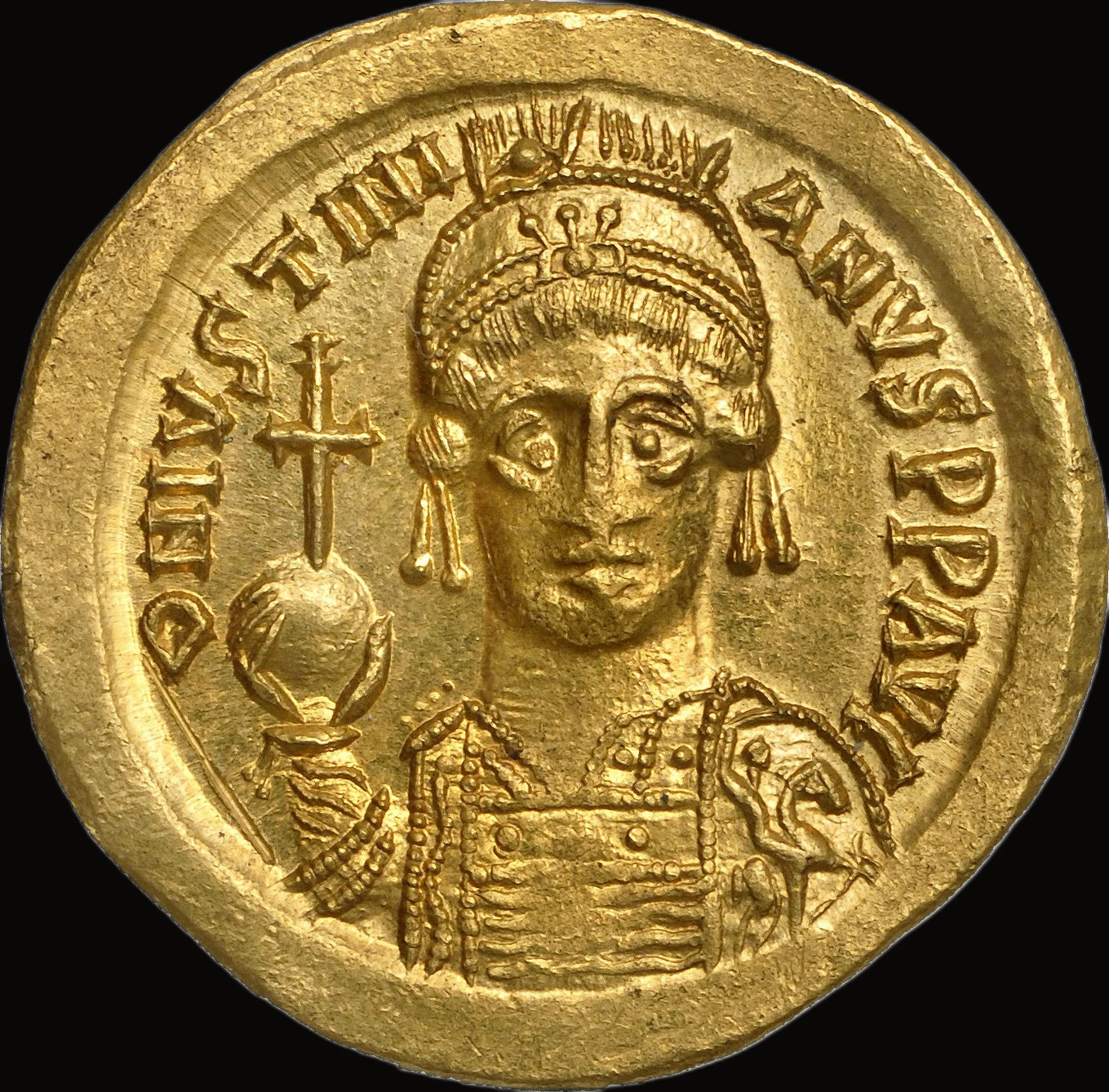 Solidus of Justinian538–545 AD
 Denaro of Lucca11th–12th century
The proportion of gold or silver in a metal, expressed by weight. A silver fineness of 0.925 means that 92.5 percent of the total is silver. The remainder consists of metals such as copper; the metals mixed in are called alloys.
Fineness cannot be determined by appearance or weight alone. If the fineness is lowered while the weight remains the same, the amount of gold or silver contained decreases. Weight inspection and fineness analysis are investigations of two different things.
Let's calculate with hypothetical figures. If the weight is 27g and the silver fineness is 0.925, the silver content is 27 × 0.925 = 24.975g, which is approximately 25.0g. At the same weight with a fineness of 0.500, the silver content is 13.5g.
A distinction is made between the fineness stipulated by law and the fineness obtained by analyzing a specific piece. When reading numerical values on pages for actual items, it is important to verify which source is providing the value and for what subject.
References
- The Trial of the Pyx — The Royal Mint Museum An independent inspection continuing since 1282. Samples are checked for weight in aggregate and individually, fineness is analyzed by comparison with standard trial plates, and diameter is also measured. It has continued for over 740 years. Conducted by the Goldsmiths' Company and presided over by the King's Remembrancer.
Only works and primary sources whose existence has been verified are listed.