debasement
悪鋳 — Making
Making the coinage over again with less metal in it.
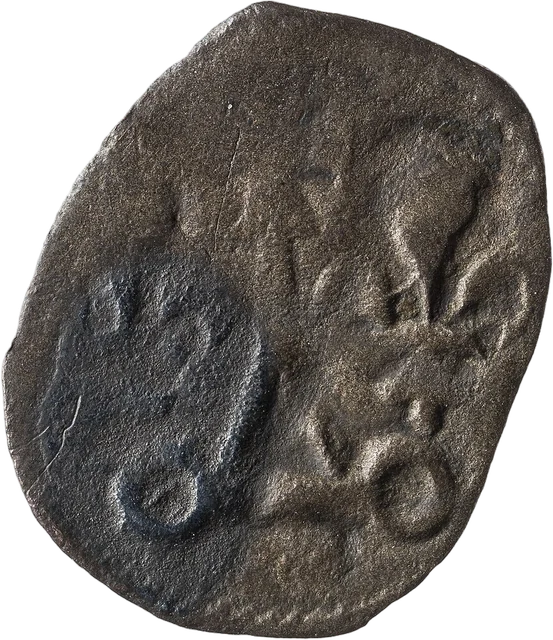 Billon denier tournois (debased issue)1295–1303
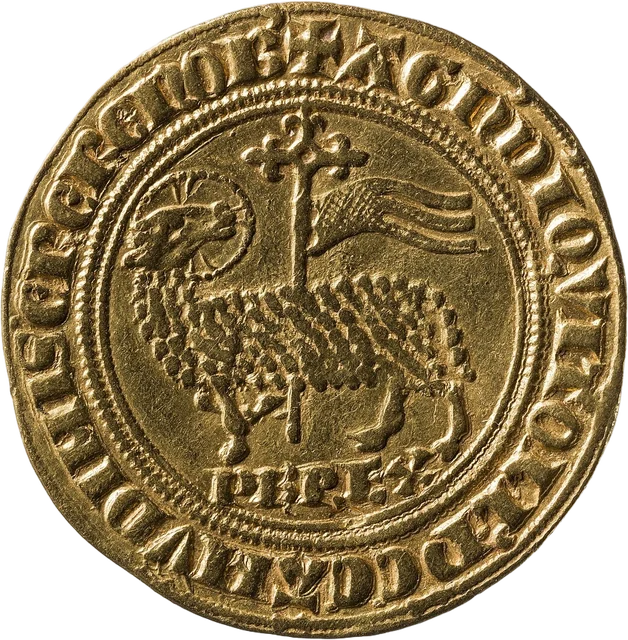 Agnel d'or (the gold lamb)1311
 Écu d'or à la couronne (crowned gold écu)1385 onward
Reducing the weight, lowering the fineness, or both. Since more coins can be made from the same amount of silver, the difference becomes the issuer's revenue.
⚠ It is certainly profitable in the short term, and always causes prices to rise in the long term. This single dynamic is almost entirely what this school has been tracking for twenty-seven hundred years.
References
- Monetae cudendae ratio (On the Striking of Coin). — IntraText Digital Library (original Latin text with concordance). Copernicus's treatise on money. Full text in Latin (approx. 3,008 words). A primary source that stated the relationship between bad and good money before Gresham.
- History of Japanese Currency (main text). — Currency Museum, Institute for Monetary and Economic Studies, Bank of Japan. At its opening, the Bank of Japan was on the silver standard, with "convertible silver notes" exchangeable for silver specie. The Coinage Act of 1897 established the gold standard at "0.75g of gold = 1 yen." Recoinages occurred in Genroku 1695, Hōei 1706–11, Shōtoku 1714, Kyōhō 1715, Genbun 1736, Bunsei 1818 onward, Tenpō 1832 onward, and Man'en 1860.
Only works and primary sources whose existence has been verified are listed.