Sengoku period
Nobunaga collected famous tea ceremony items. He gave them as rewards to vassals for their great service.
A third kind of reward, neither land nor money.
From princely collections to museums. We trace the changing purposes of collecting and methods of record-keeping.
Time to read the text: about 6 min
The review questions are optional and not included in this time.
What you can read: the course opening and contents are free; the full text is for those who have purchased
After purchase, you can read the full text once your access starts.
The History of Coin Collecting in 3 Minutes
Swipe to see more
Sengoku period
Nobunaga collected famous tea ceremony items. He gave them as rewards to vassals for their great service.
A third kind of reward, neither land nor money.
Sengoku period
The value of a tea item was decided by the power of its collector.
There is a limit to land. There is no limit to the value of tea items.
Times of war
People buried silver coins in the ground to protect their wealth, but couldn't return for them.
The people who buried them didn't intend to collect them.
1000 years later
The silver coins in the ground became important clues for understanding history.
52,503 coins
An example of a find from a single location.
1868, Spain
When they counted the money circulating in the country, there were 97 different types.
Count and publish. The academic way of collecting.
The value of a single old coin is that it's a witness that survived even after its country fell.
After its value as money ends, its value as an object begins.
Found records and the history of its owners also became part of its value.
Keeping records creates its own reward.
Now
The Kan'ei Tsūhō was legal money until 1953. Now you can get one for a few hundred yen.
It carries 300 years of the people who used it.
97types
The number of types of money circulating in Spain in 1868.
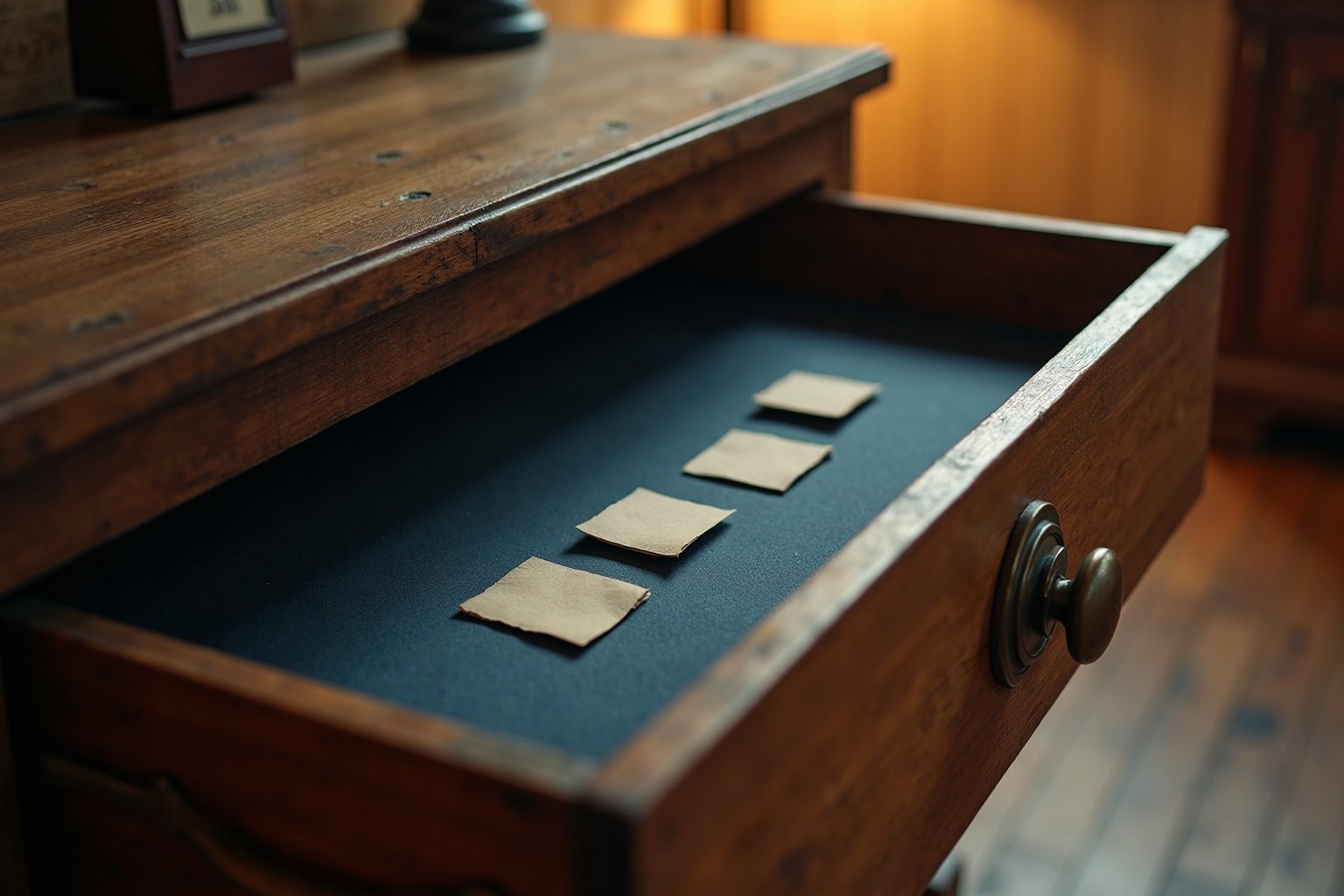
You find a Kan'ei Tsūhō coin in the back of a drawer. You can't use it as money anymore. What is this one coin to you?
Pick one
Its value for use has certainly ended. But the death of a currency is the death of its function, not the death of its existence.
This is what we call 'translating value' in this course. After its value for use ends, its value as a witness arises.
To 'translate' a coin's value, you need people who can read its history, authenticity, and story. The history of collecting is also the story of how the number of these readers has grown.
Course number: B18
Supervised by: Mitsuru Hayama
Beyond the text: 6 exercises · 2 coins · 6 readings · 3 references How reading times are calculated
You can start this course without reading any other course.
6 exercises in this course (4 check, 1 compare, 1 written). Progress is recorded by self-assessment.
The books and materials referred to in this course.
Read next
Those Who Collected Coins →What you learn next: Can narrate the lineage of collectors in three lines: rulers, scholars, and anonymous hoarders.
Time to read the text: about 6 min / What you can read: the course opening and contents are free; the full text is for those who have purchased
Price
After purchase, the full courses, the illustrated books, every country’s story and the numismatics examination are open to you.
See the price →