Who Financed the Meiji Restoration?
In the seventh year of the Ansei era, in an Edo where the Great Elder had been assassinated, the smallest koban in Japan was born. In this year, when political upheaval and currency debasement coincided, both the anti-shogunate and pro-shogunate forces needed money for their respective struggles. Where did that money come from?
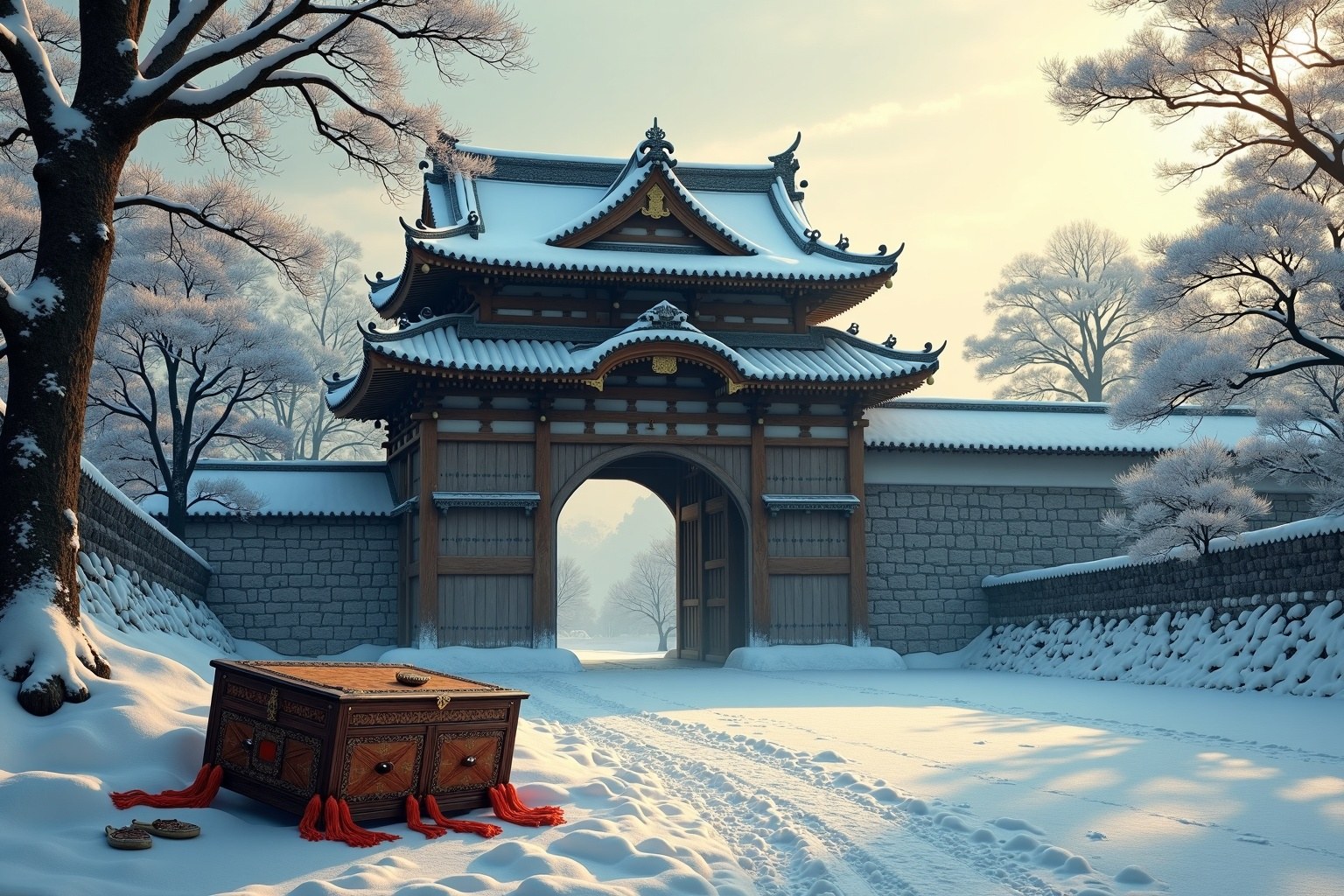
Blood, Snow, and Lighter Gold
On the morning of the third day of the third month of Ansei 7, Edo was struck by an unseasonal snow. On this day, outside the Sakurada Gate, the procession of the Great Elder Ii Naosuke was attacked by ronin from Mito and Satsuma. The signing of a commercial treaty without imperial sanction and the Ansei Purge, which saw his opponents arrested—this was their retribution, the attackers claimed.
On the eighteenth day of the third month of the same year, the era name was changed to Man'en. This was due to the strong wishes of Emperor Komei, as disasters—the castle fire and this incident—had continued. And so, a koban bearing the name Man'en was minted. Containing only about one-eighth the gold of a Keicho koban, it was the smallest koban in Japan, nicknamed the 'hina koban' (doll koban). However, the assassination did not order the recoinage. The purpose was to correct the gold-to-silver price ratio, which had become misaligned with the outside world. Political upheaval and currency debasement. The two coincided in the same year.
Defaulted Debts and Off-the-Books Accounts
Where did the war funds for overthrowing the shogunate come from?
In the Satsuma domain, in the eleventh year of Bunsei, Zusho Hirosato was entrusted with rebuilding the domain's finances. He unilaterally declared that the five million ryo debt owed to merchants in Osaka and Edo would be converted into a 250-year, interest-free loan. The means of repayment was brown sugar from Amami Oshima and Tokunoshima. The islanders were forbidden from growing crops other than sugarcane and were forced to pay their taxes in sugar. When his illicit trade with Qing China was later exposed, Zusho took all the blame upon himself and drank poison.
The Choshu domain had a separate account called the 'buikukata,' distinct from its main accounting. At the 'koshini-kata' office in Shimonoseki, they lent money and warehouse space to ships from other domains, accumulating three to five thousand ryo annually. Even when the domain's main accounts were in deficit, this fund did not decrease. They did not win because they were rich. Before ideology, there was accounting skill.
Choshu's Guns, Bought in Satsuma's Name
In the first year of Keio, Thomas Glover's company in Oura, Nagasaki, with the mediation of the Kameyama Shachu, created a scheme. For the Choshu domain, which was under the shogunate's scrutiny and could not buy guns in its own name, a path was made to purchase weapons under the Satsuma domain's name and forward them to Choshu.
Through this scheme, it is said that 4,300 old-style Gewehr rifles and 3,000 new-style Minié rifles, a total of 7,300, were transferred. The numbers vary depending on the source. It is also reported that in the same year, of the 380,000 dollars Satsuma paid for ships, 200,000 were addressed to Glover. The payment was made in foreign silver coins. Glover also sold weapons to the shogunate. He was neither a benefactor of the Restoration nor a master conspirator; rather, foreign trading houses were financing the inventory for Japan's civil war.
Money to Be Collected, Whoever Won
War requires money. The shogunate demanded as much as 2.66 million ryo in forced loans ('goyokin') from the Mitsui family in just three years. On the other hand, in the first month of Keio 4, Yuri Kimimasa of the new government proposed raising 3 million ryo from wealthy merchants in the Kinki region to issue 30 million ryo in paper currency. In the 'kaikei kiritukin' (accounting foundation fund) that Yuri raised, 50,000 ryo was allocated to each of the wealthy merchants in Kyoto and Osaka.
The Mitsui, Ono, and Shimada groups handled the finances at the new government's accounting office and were known as the 'Three Houses of Exchange.' It was not that Mitsui created the imperial army. Having been squeezed by the shogunate as well, they were in a position to have their funds collected regardless of who won. In return, the three houses gained the privilege of controlling the finances of the new nation. Requisition and privilege were two sides of the same koban.
More in Topics in money
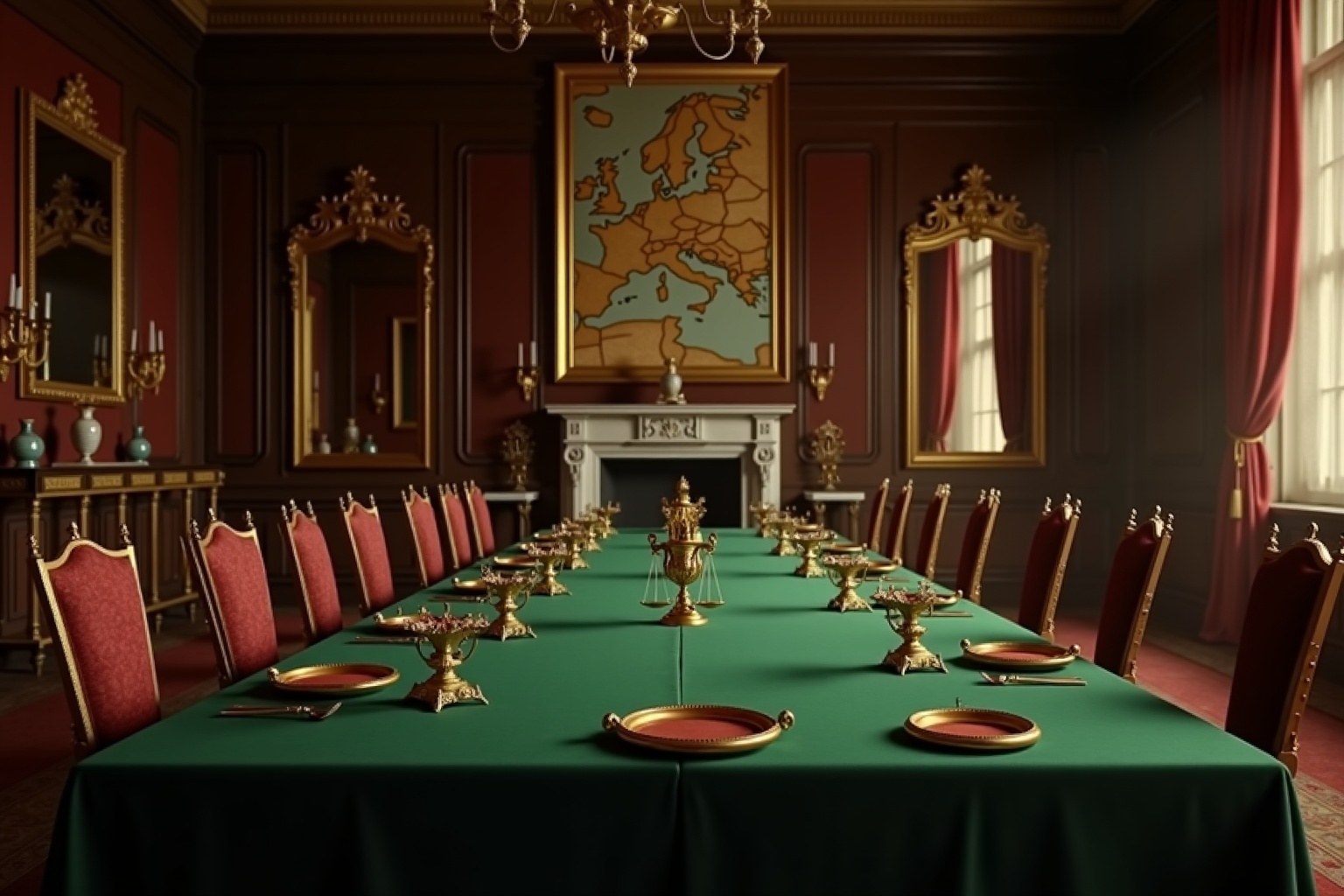
Coins of Different Faces, but the Same Weight
An emperor of France, a king of Belgium, a goddess of Switzerland. Coins bearing different faces, words, and country names on one side circulated at equal value across borders. There was only one promise.
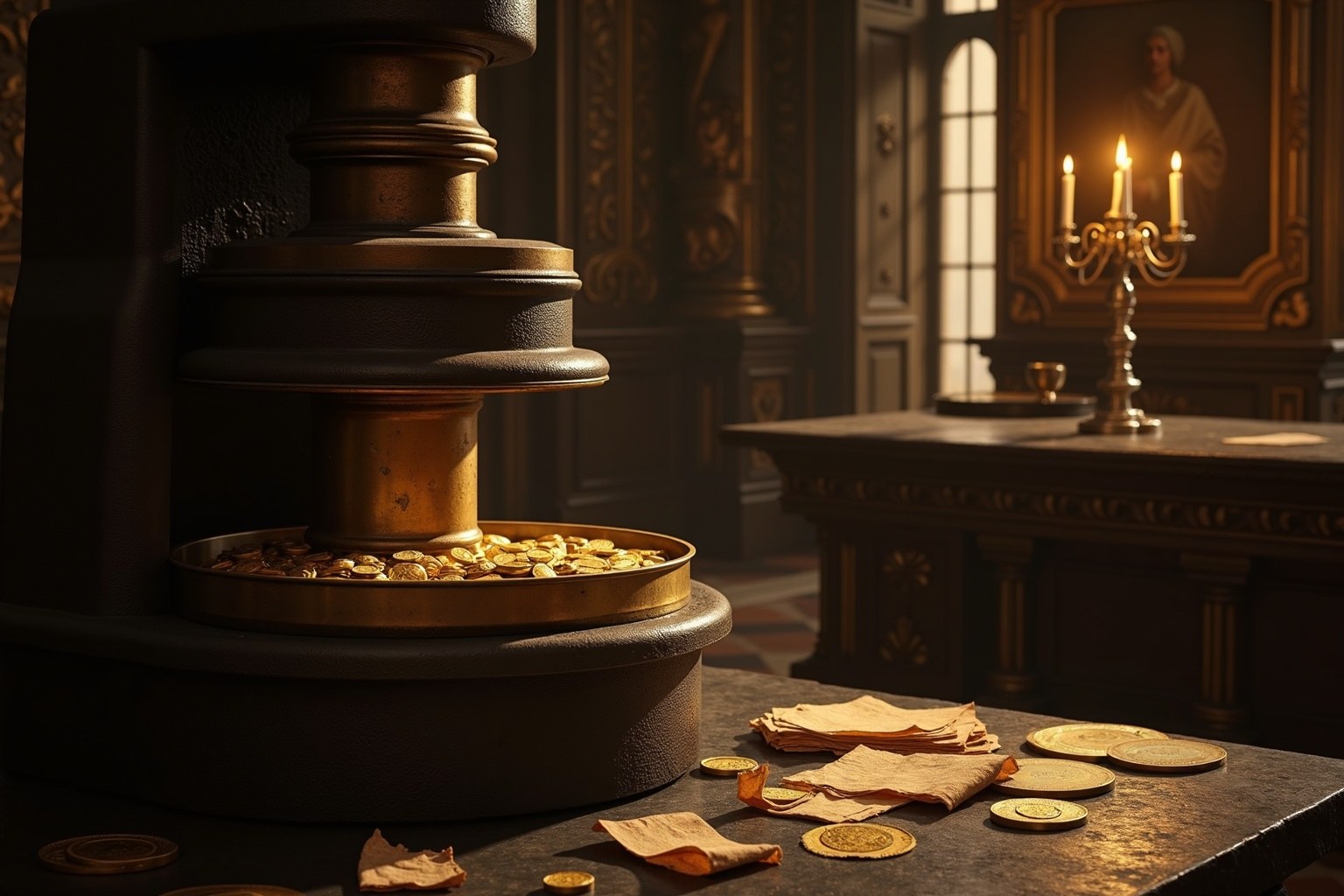
Stable Coinage and a Bankrupt Kingdom
During the era of Louis XV, France's metallic currency remained stable for half a century, and trade grew. Yet, by the end of that same century, the kingdom was bankrupt. If the value of the currency was not changing, why did its finances collapse?
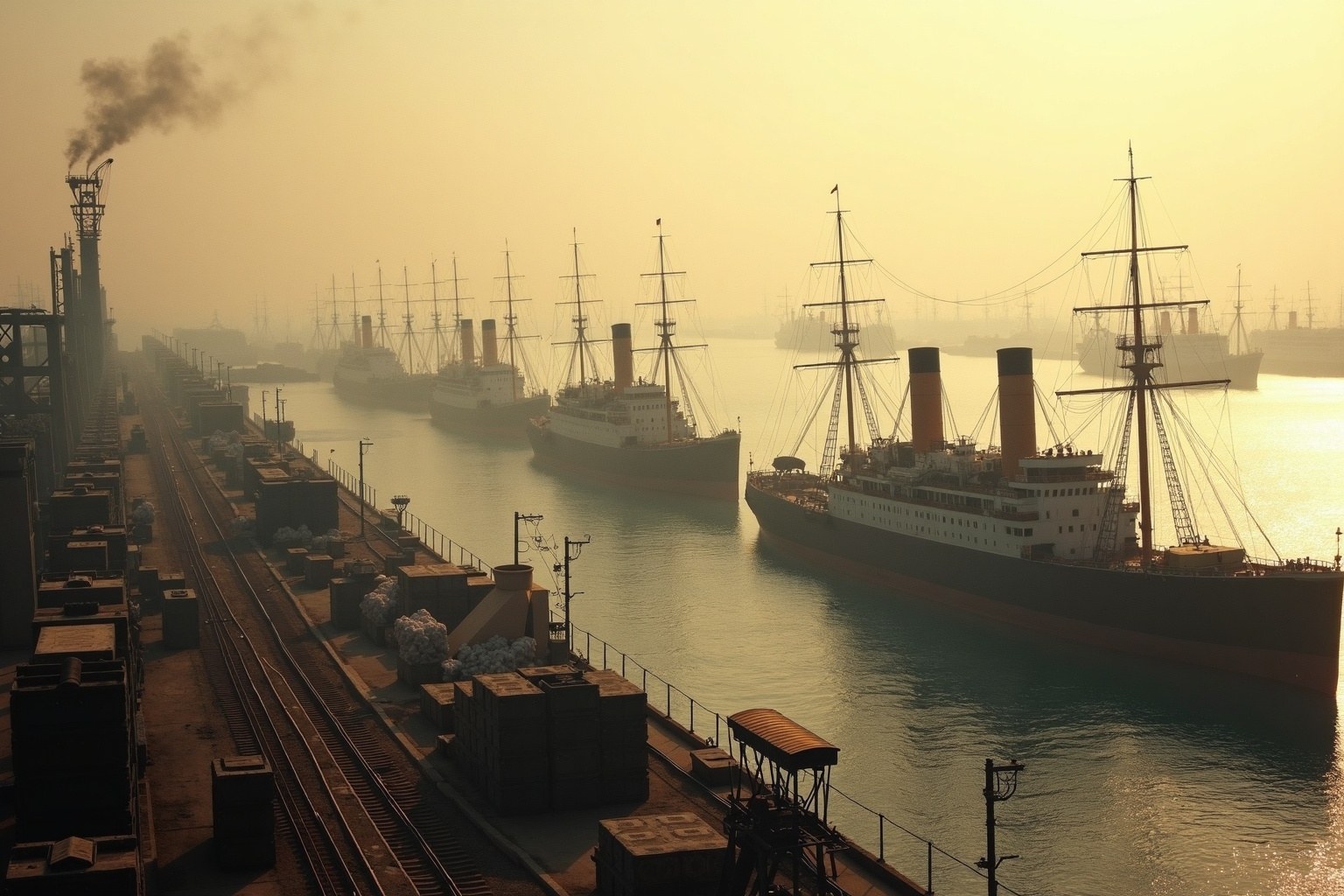
A Promise Locked in a Vault, A Door That Never Opened
In 1917, the promise to exchange gold coins for banknotes was suspended. An economic boom born from the war in Europe created nouveaux riches and queues of people seeking rice, eventually leading to a long recession.
If you would like to read on
Everything in these pieces comes from the material itself.