recoinage
改鋳 — Making
Making the coinage over again.
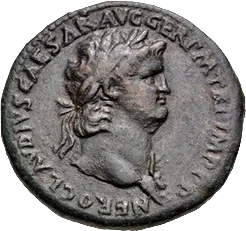 Sestertius of NeroAD 64
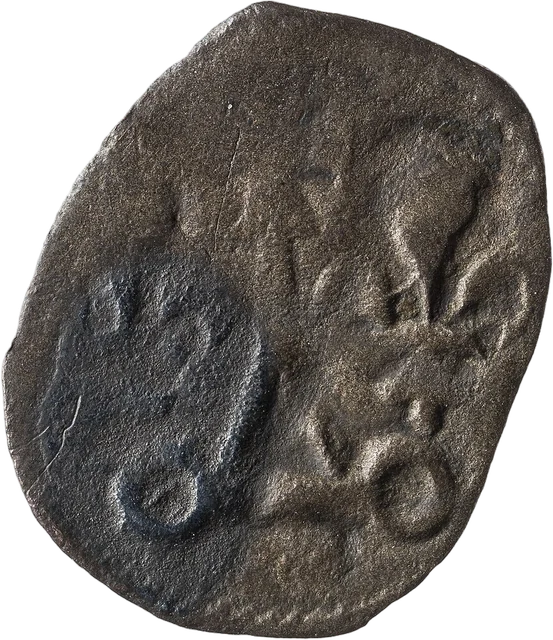 Billon denier tournois (debased issue)1295–1303
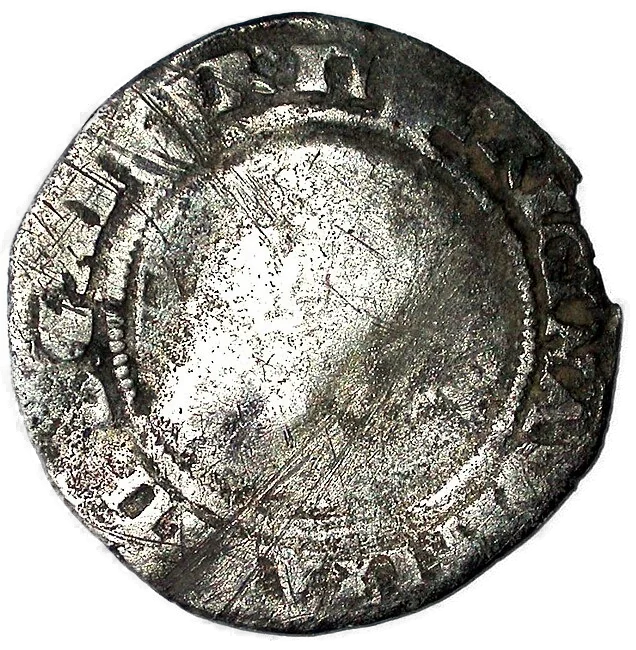 Sixpence of Elizabeth I1560s–
To recall old currency and restrike it to a new standard. ⚠ This can involve either debasement (reducing the content) or restoration (returning to a former standard). Both are called 'recoinage,' so when reading historical sources, it is important to ascertain which direction was taken.
References
- History of Japanese Currency (main text). — Currency Museum, Institute for Monetary and Economic Studies, Bank of Japan. At its opening, the Bank of Japan was on the silver standard, with "convertible silver notes" exchangeable for silver specie. The Coinage Act of 1897 established the gold standard at "0.75g of gold = 1 yen." Recoinages occurred in Genroku 1695, Hōei 1706–11, Shōtoku 1714, Kyōhō 1715, Genbun 1736, Bunsei 1818 onward, Tenpō 1832 onward, and Man'en 1860.
- The Trial of the Pyx — The Royal Mint Museum An independent inspection continuing since 1282. Samples are checked for weight in aggregate and individually, fineness is analyzed by comparison with standard trial plates, and diameter is also measured. It has continued for over 740 years. Conducted by the Goldsmiths' Company and presided over by the King's Remembrancer.
Only works and primary sources whose existence has been verified are listed.