A closer look at coins
Looking at a single coin down to the details. The lettering, the scratches, the traces of overstriking.

A Coin That Lived for 317 Years
In 1668, a single coin born in Kameido, Edo, brought an end to the era of imported coins. This coin would survive famines and continue to be legal tender in Japan until the Shōwa era.

The Country That Minted Them and the Country That Used Them
Yongle Tongbao coins were minted in Ming China, but hardly circulated within the country. There was a country that minted coins for export which it did not use itself, and a country that did not mint its own coins but used imported ones as its standard.

A Coin Born the Year Before the Rebellion
The shogunate began minting the domestic Kan'ei Tsūhō coin the year before the Shimabara Rebellion. In an age when the bodies of those unable to pay taxes became collateral, a domestic coin was created for the first time in 678 years.

Silver Coins Valued by Weight, and a Realm Moved by Gold
The Keichō Chōgin, which had no face value, was valued directly by its weight on a scale. In the era when this silver coin was created, gold and silver shook faiths, gathered a hundred thousand soldiers, and decided the fate of castles.

The Gold Coin that Financed a War: The Napoleon
Napoleon did not print paper money to cover war expenses. Instead, his financial resources were the war itself and the metals collected from conquered lands. The gold the Emperor desired took the form of a single gold coin.

Currency Carried by Merchants to a Land That Had Abandoned Coins
After the Kengen Taihō, the Imperial Court ceased minting coins. In the 12th century, merchants from Hakata began importing Song dynasty coins to this island, where payments had been made in silk and rice. It was not the will of the state, but calculations of profit and loss that reshaped the nature of currency.

The Silver Coin Engraved with a Dragon, and War Expenses Paid with Paper
The dragon engraved on this 38.6 mm diameter silver coin was highly praised even in Great Britain. However, in the era when this coin was born, stipends for the samurai class were converted into government bonds, and the costs of a civil war were paid with paper money.

Paper Printed Beyond Its Promise
These banknotes were centered on the promise of exchange for a specified weight of coin. But they were printed in ever greater numbers to prop up share prices, until confidence collapsed. The assessment after the collapse did not reduce claims of 500 livres or less.

State Finances that Began with a King's Ransom
The gold écu, paid as a king's ransom, eventually became a symbol of the crowned king's authority, mobilizing taxes and wealth to end the war. A single coin was at the center of an era when the framework of the modern state was being formed.

The Rationale of 'Write 100, and It Becomes 100 Mon'
Its material value was equivalent to five or six one-mon coins. Yet its face value was one hundred mon. This oval coin, reminiscent of a koban, was created in the midst of a famine and would eventually be imitated by domains throughout the country.
The Door Opened by Nominal Currency for the Outflow of Koban
While people were starving to death in Osaka, the shogunate minted a silver coin to support its finances. The gap between this coin's face value and its intrinsic content would eventually open the door for the nation's gold to flow overseas.
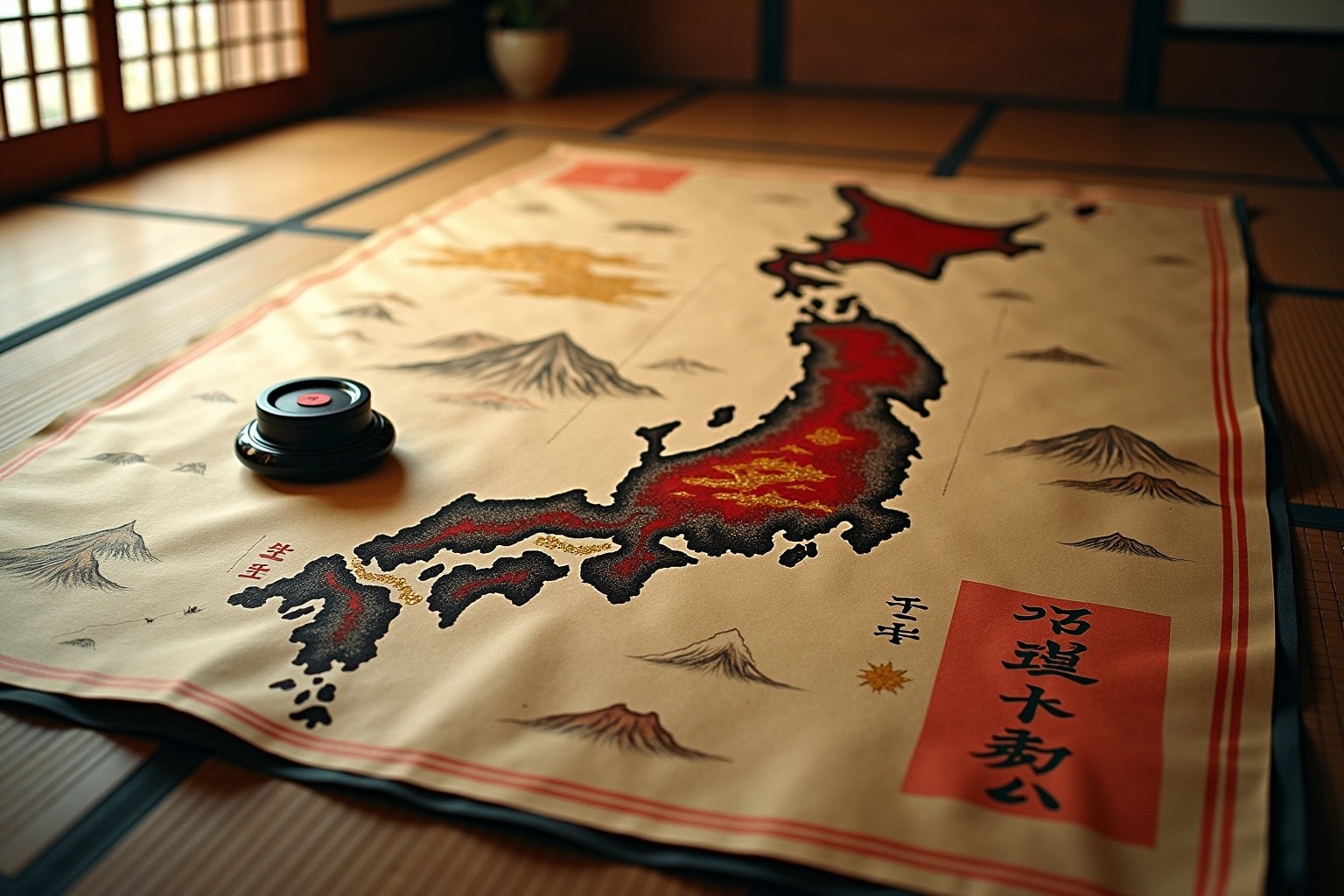
The Fate of Gold, Divided by Its Use
The Toyotomi faction converted the gold and silver left by Hideyoshi into military power, while Tokugawa Ieyasu established a monetary system valid throughout the country. This is the story of how gold and silver from the same era met completely opposite ends depending on how they were used.
The Value of the Yen as Defined by the 20 Yen Gold Coin
The old 20 yen gold coin was the highest denomination established by the New Coinage Act. The value of this coin, which equated one yen to 1.5 grams of pure gold, was halved in the 30th year of Meiji. Behind this was the war indemnity left in London.

The Fate of Paper Inscribed with "Time Flies"
In the center, "FUGIO" (time flies) and a sundial; below it, "MIND YOUR BUSINESS." Printed to finance the War of Independence, the Continental currency, contrary to its motto, lost its value and left an idiom in the English language.

The Coin of a Memory: Never Trust Paper
After John Law's bubble burst, French currency returned to metal. The écu of Louis XV was a symbol of stability that lasted for about half a century, yet during this time, the nation's finances were heading towards bankruptcy. In an age of stable coinage, something else was eroding the state.

The Sun King's Silver Coin and the Empty Treasury
A silver écu struck in 1690. The reforms of the Controller-General of Finances were supposed to have brought the treasury a surplus. Why, then, did France grow poorer? We trace the history behind the minting of this silver coin.
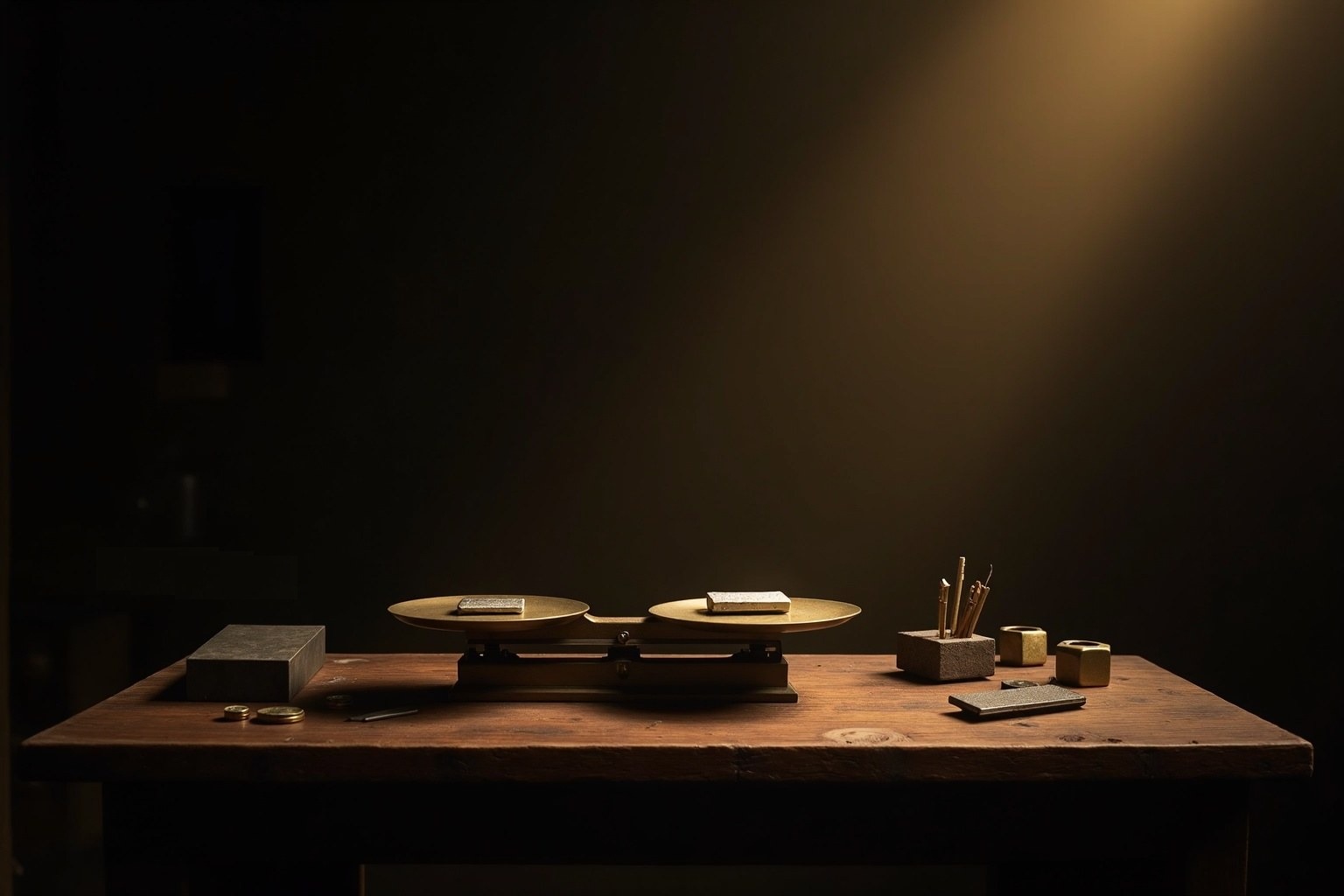
Machine-Struck Credit: The Pillar Dollar
Two pillars topped by a crown flank two hemispheres. From a distorted lump of silver to a perfectly round coin. A single innovation applied to the edge provided a way to detect traces of clipping and built the foundation for worldwide credit.

A Silver Coin with No Place at Home
There was once a silver coin disliked in its homeland for its low fineness. Yet, precisely because it had no place to belong, it embarked on a journey, from the Eastern Mediterranean to North America, making its mark upon the world. This is the long journey of the silver coin that bore the lion.
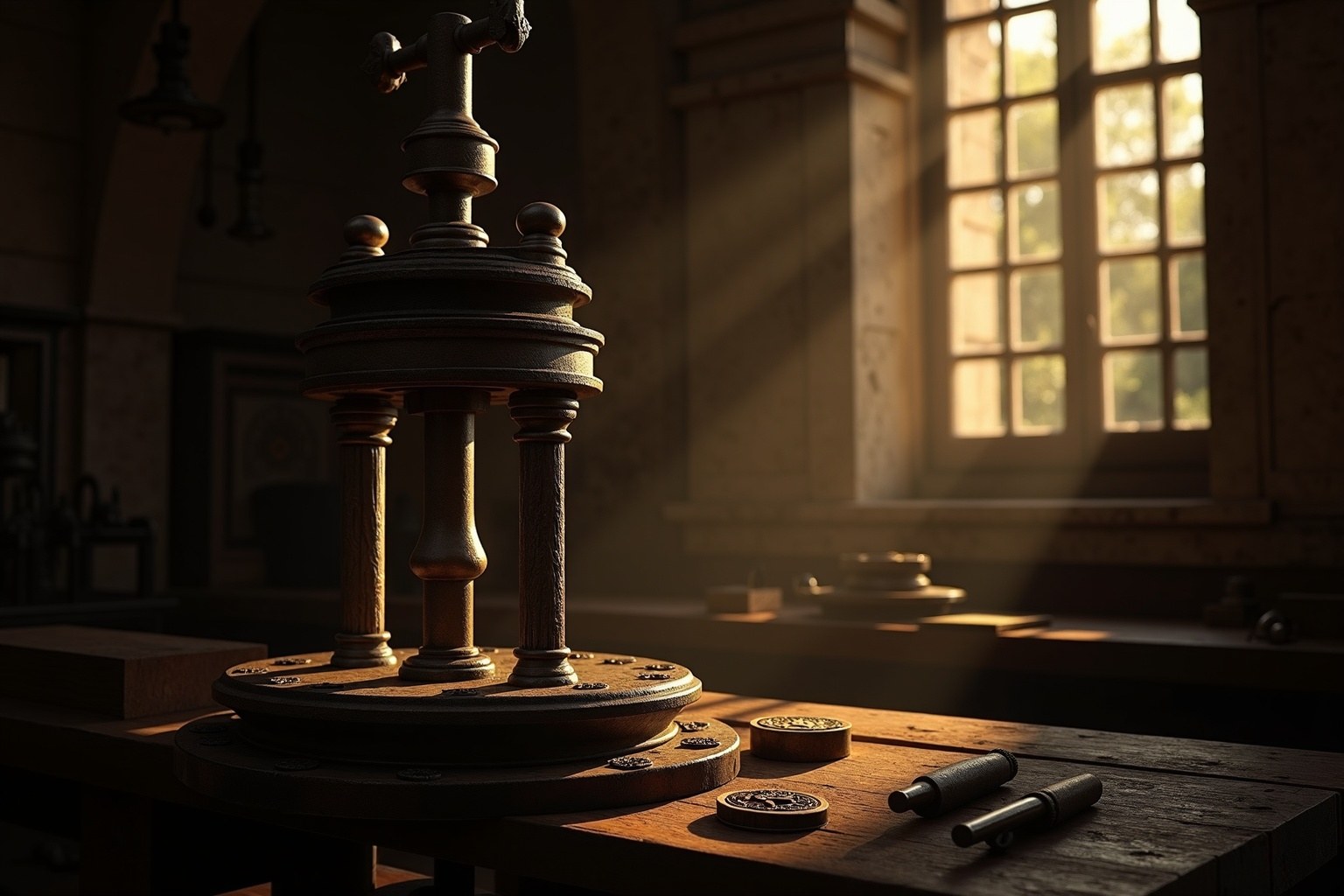
The Precision and Beauty of Machine-Struck Gold Coins
The Louis d'or, a gold coin born in 1640. Its perfect circular shape, struck by machine, was intended to make it immediately obvious if someone clipped the edges to steal gold. We trace the precision, beauty, and the hidden side of wealth creation embodied in a single coin.

The Prestige of the Franc That Dropped Two Zeros
In 1960, France issued a new franc, dropping two zeros from the old one. The goal was to restore the prestige of a "heavy franc." The hope entrusted to this single coin would eventually lead to a challenge against the global monetary order, and then against the faceless market.

The Gold Coin of the Sun that Counted a King's Ransom
A gold coin created to proclaim the brilliance of royal authority. In time, this coin also became the unit for counting the ransom of a captured king. We trace the two scenes of glory and defeat reflected by this particular gold coin.

The Sen That Was Never Issued
In the 20th year of the Shōwa era (1945), Japan attempted to fire coins from clay. Fifteen million pieces emerged from the kilns, but the war ended before a single one was issued.
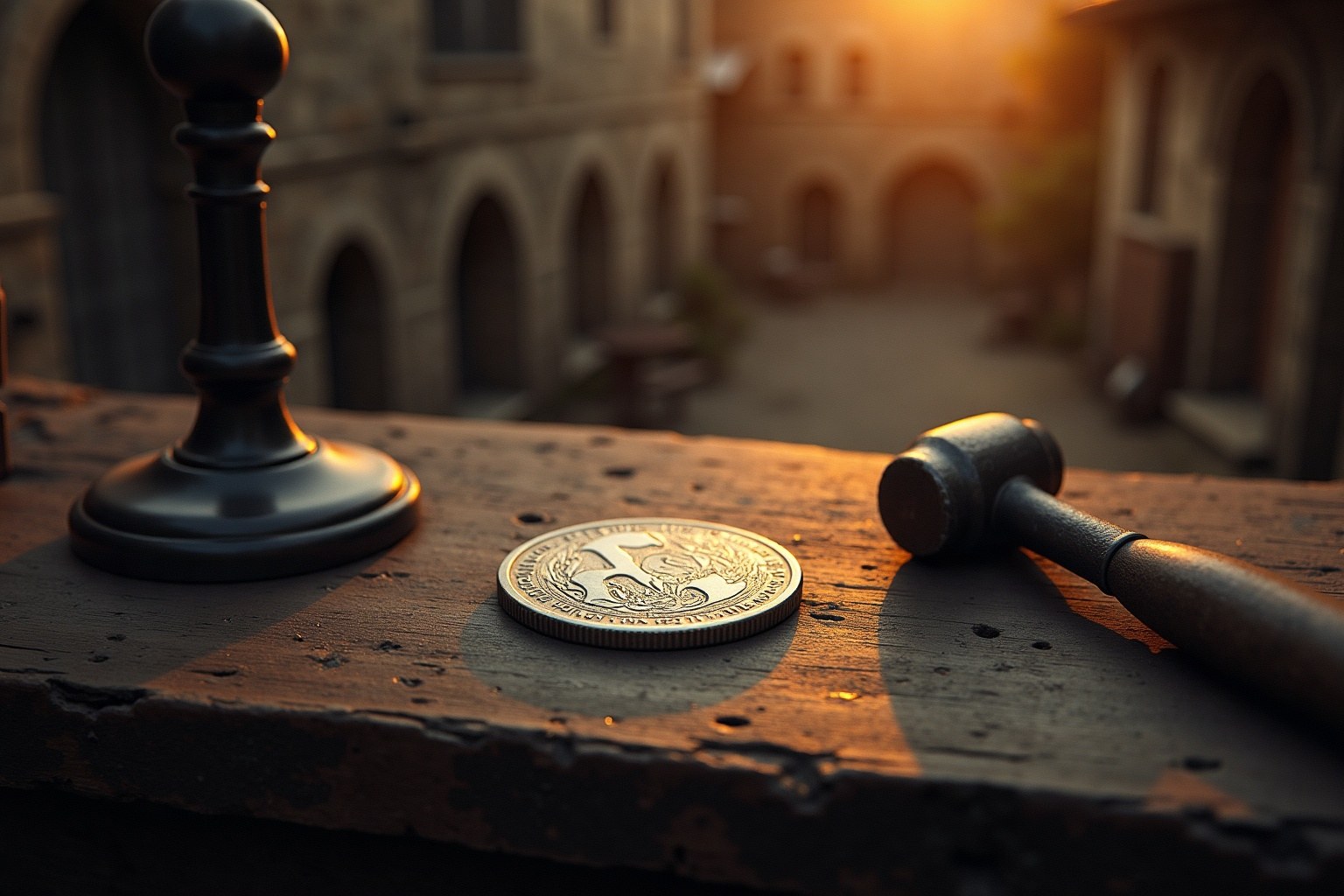
A silver coin covered in chopmarks
There is an 8 Reales silver coin whose king's face has been obliterated by counterstamps. The layered marks are clues to how this coin was used.
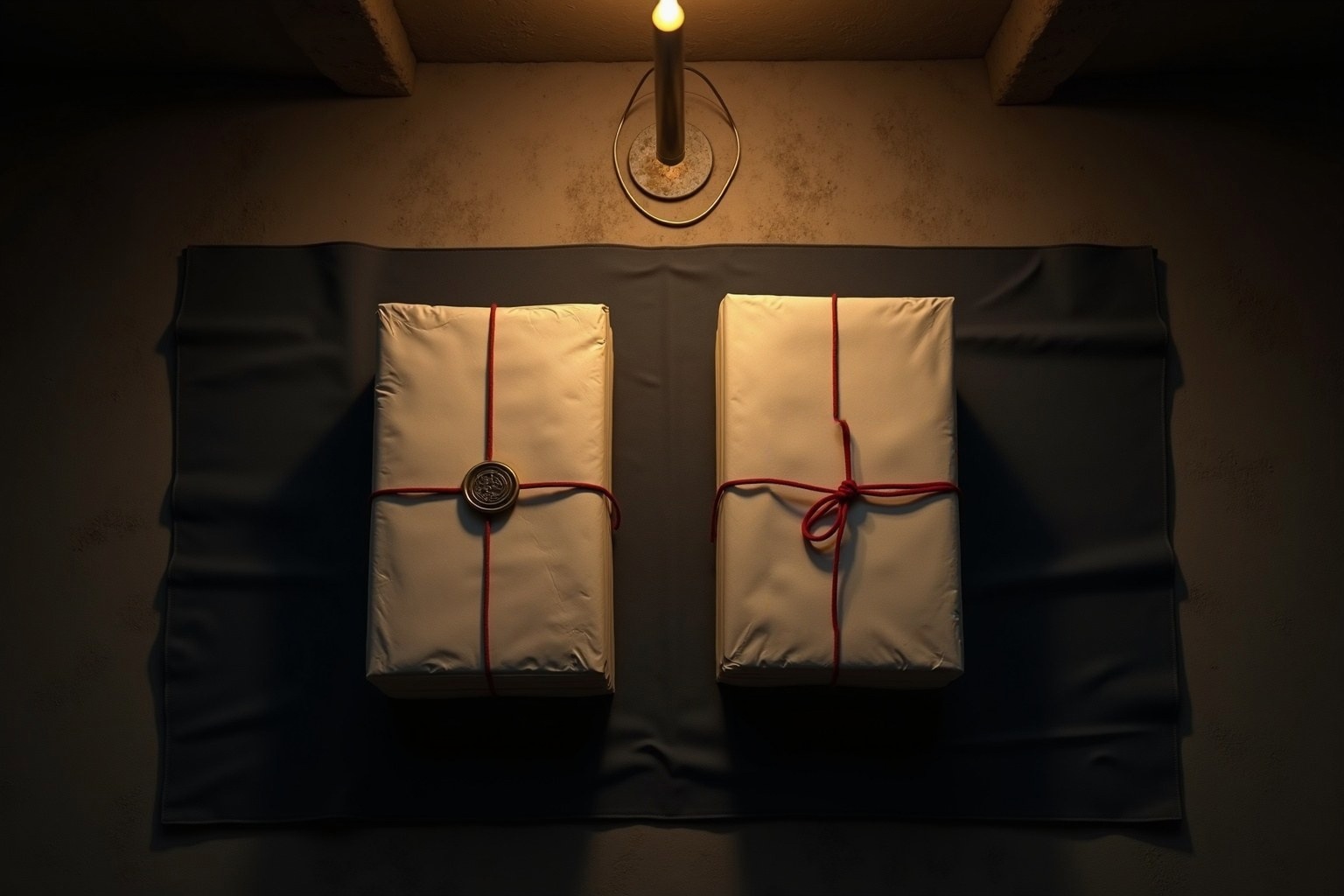
Two notes with the same serial number
In the British Museum, two 500 Escudo notes with the same number are displayed side-by-side. One of them is stamped as invalid.
If you would rather read the material itself
Every article leads on to the money histories by country, the money dictionary and the coin and banknote gallery.