specie
正貨 — Institutions
Coin whose face value is backed by the metal it is made of.
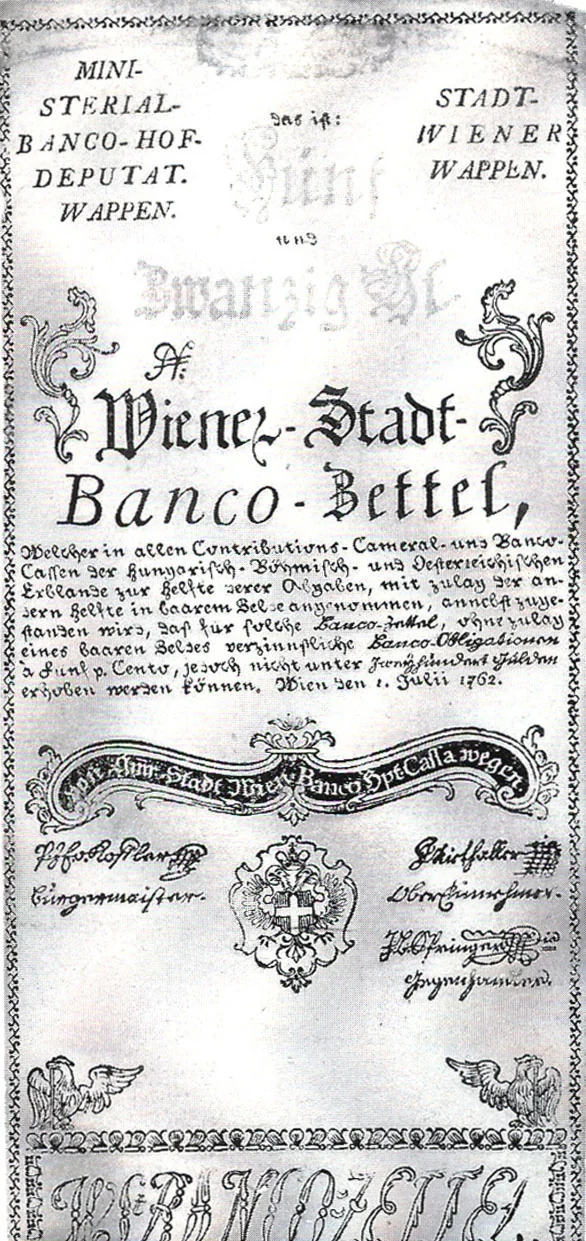 Bancozettel (1762 pattern)1762
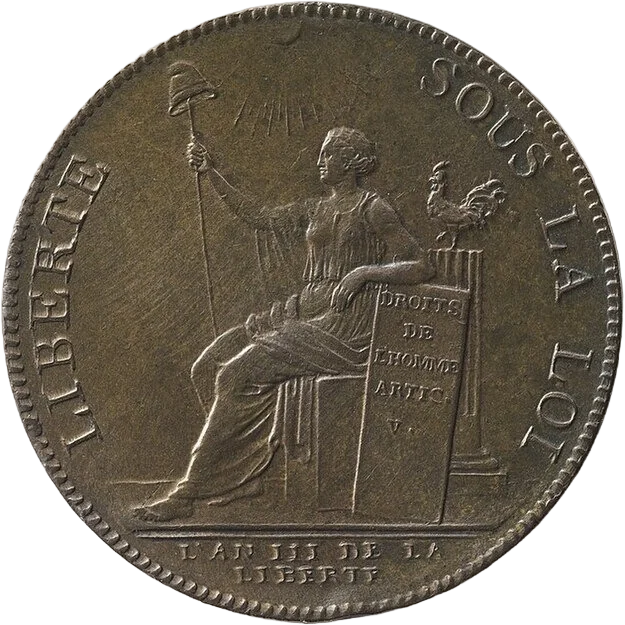 Monneron of 2 sols1791
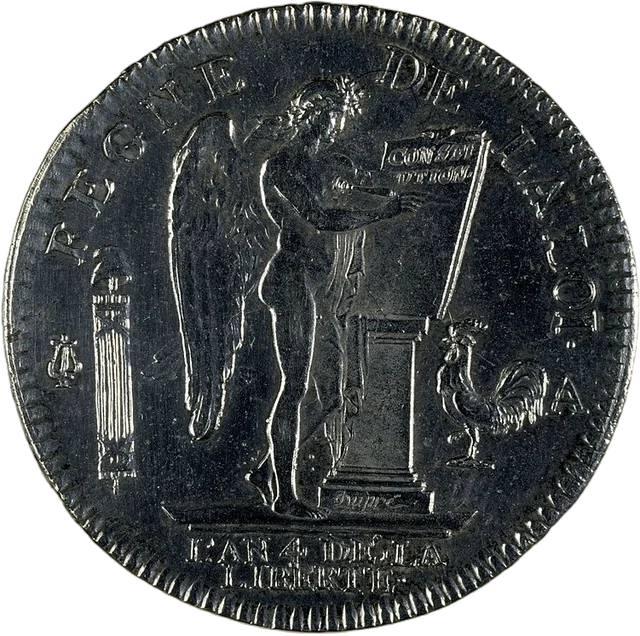 Six-livre écu (constitutional monarchy type)1792
A term used in contrast to banknotes. A 'specie reserve' refers to the gold and silver held in a vault as backing for issued banknotes.
⚠ It does not mean 'real money'. All currencies currently used in the world are fiat currencies, yet they are still money. Specie is a term for currency whose value is based on its material content, not a word to distinguish genuine from counterfeit money.
References
- History of Japanese Currency (main text). — Currency Museum, Institute for Monetary and Economic Studies, Bank of Japan. At its opening, the Bank of Japan was on the silver standard, with "convertible silver notes" exchangeable for silver specie. The Coinage Act of 1897 established the gold standard at "0.75g of gold = 1 yen." Recoinages occurred in Genroku 1695, Hōei 1706–11, Shōtoku 1714, Kyōhō 1715, Genbun 1736, Bunsei 1818 onward, Tenpō 1832 onward, and Man'en 1860.
Only works and primary sources whose existence has been verified are listed.