the gold standard
金本位制 / gold-standard — Institutions
A system tying the value of a currency to a set weight of gold.
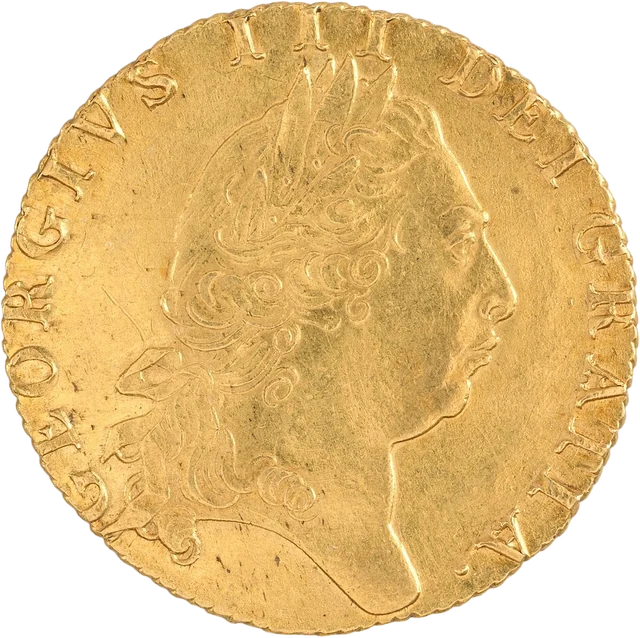 GuineaAD 1663–1814
If each country defines its currency by a weight of gold, the exchange rates between currencies are automatically determined. This had the advantage of creating an international standard without negotiations between countries.
⚠ However, the amount of gold and the amount of currency were not linked one-to-one. Reserves did not cover the full value of banknotes issued, so the currency in circulation exceeded the gold. When the constraints became unbearable, convertibility could be suspended. The Bank of England in 1797, France in 1848. This happened with every war and crisis.
The trade-off was the difficulty of adjusting the money supply for domestic reasons. In a recession or a war, if the money supply was increased beyond gold reserves, the promise of convertibility would be the first to break. The system collapsed across the two World Wars because of this rigidity.
References
- History of Japanese Currency (main text). — Currency Museum, Institute for Monetary and Economic Studies, Bank of Japan. At its opening, the Bank of Japan was on the silver standard, with "convertible silver notes" exchangeable for silver specie. The Coinage Act of 1897 established the gold standard at "0.75g of gold = 1 yen." Recoinages occurred in Genroku 1695, Hōei 1706–11, Shōtoku 1714, Kyōhō 1715, Genbun 1736, Bunsei 1818 onward, Tenpō 1832 onward, and Man'en 1860.
- Roosevelt's Gold Program — Federal Reserve History The United States was on a de facto gold standard from the 1830s and a de jure one from 1900, which was incorporated into the framework of the Federal Reserve System in 1913.
- Gold Reserve Act of 1934 — Federal Reserve History Signed on 1934-01-30. Transferred ownership of all monetary gold in the US to the Treasury and prohibited the redemption of dollars for gold.
Only works and primary sources whose existence has been verified are listed.