convertibility
兌換 — Institutions
That a note taken to the issuer is changed for gold or silver.
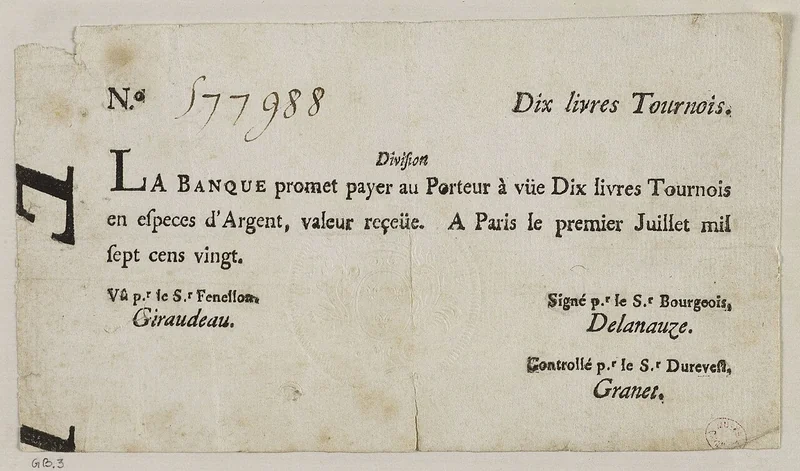 Banknote of the Banque Royale1720
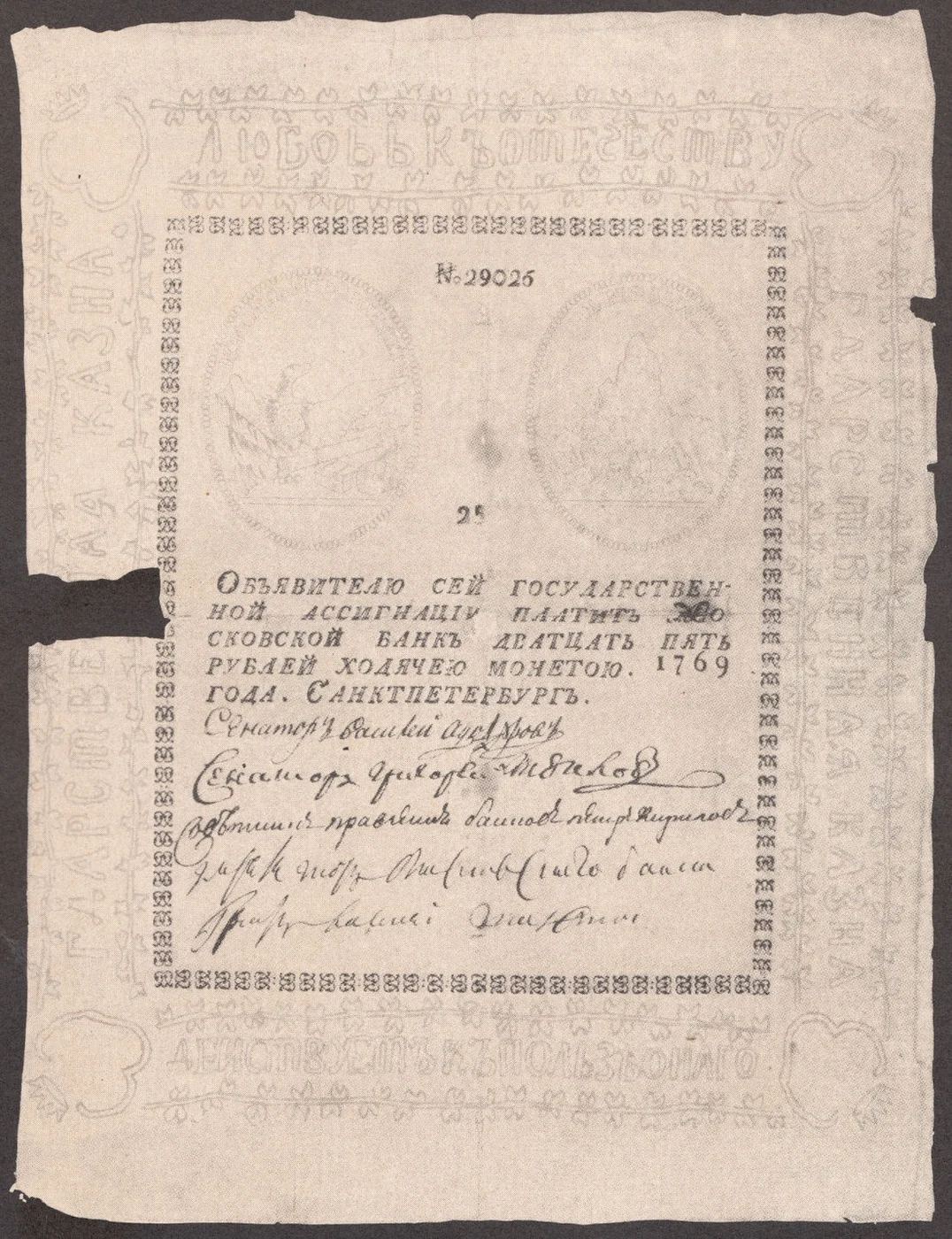 25 Ruble Assignat (1769)1769
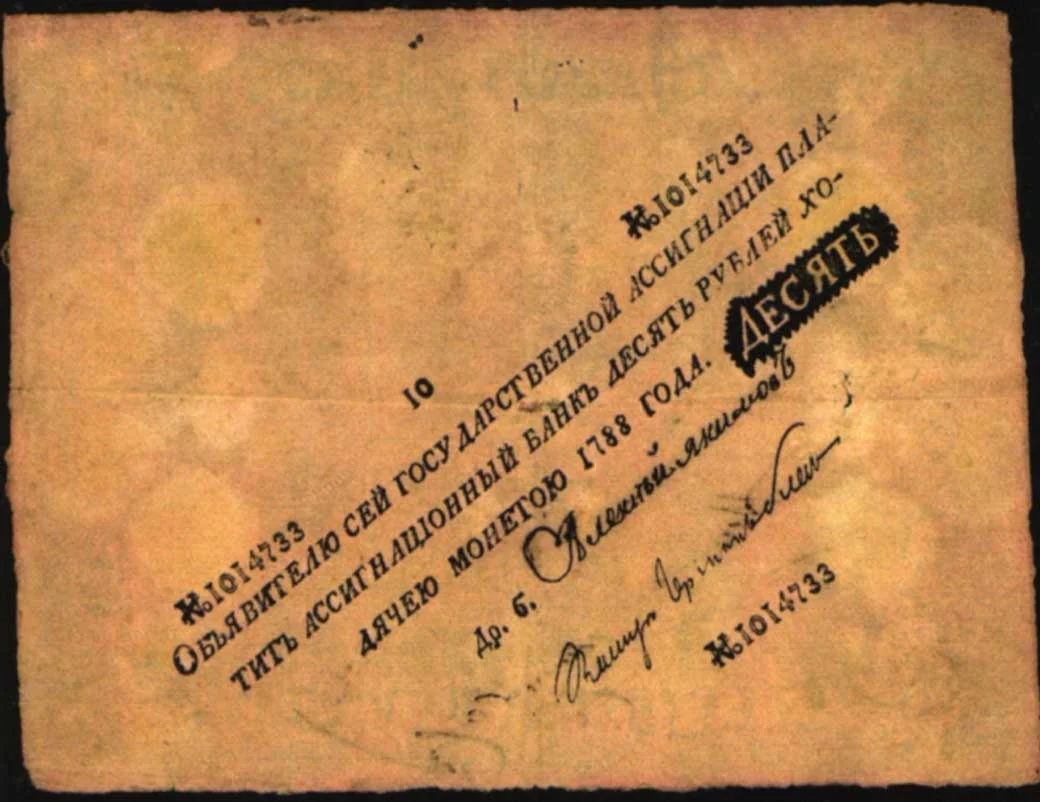 10 Ruble Assignat (1788)1788
The very fact that it was convertible was the mechanism that gave the paper credibility. ⚠ The important thing is that not everyone comes to exchange it at the same time. The system is based on the premise that they will not, so the moment they do, the system stops.
References
- History of Japanese Currency (main text). — Currency Museum, Institute for Monetary and Economic Studies, Bank of Japan. At its opening, the Bank of Japan was on the silver standard, with "convertible silver notes" exchangeable for silver specie. The Coinage Act of 1897 established the gold standard at "0.75g of gold = 1 yen." Recoinages occurred in Genroku 1695, Hōei 1706–11, Shōtoku 1714, Kyōhō 1715, Genbun 1736, Bunsei 1818 onward, Tenpō 1832 onward, and Man'en 1860.
- Gold Reserve Act of 1934 — Federal Reserve History Signed on 1934-01-30. Transferred ownership of all monetary gold in the US to the Treasury and prohibited the redemption of dollars for gold.
Only works and primary sources whose existence has been verified are listed.