die
極印 — Making
The metal punch that drives the design into a coin.
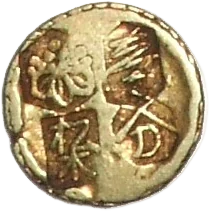 Kōshū ichibukin (one-bu gold of Kai)Later 16th century–1860s
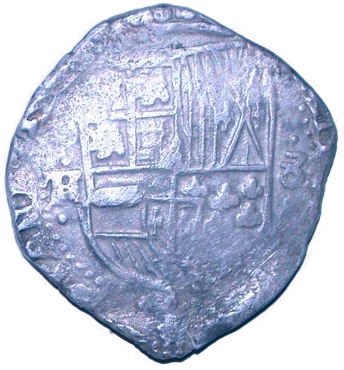 Eight reales of Potosí1556–1598 (Philip II)
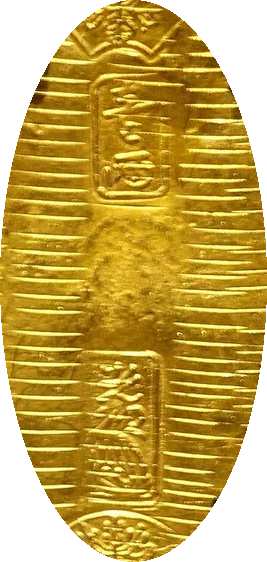 Keichō koban (oval gold piece)AD 1601
On coins struck from the same die, flaws and cracks on the die are replicated in the same position. However, their appearance can change due to wear, how they were struck, and photographic conditions, so one must compare multiple locations, and if a determination cannot be made, it should be noted as 'cannot be determined from this photo.' Tracing these die links provides a clue for estimating the production volume of the mint.
⚠ Dies are consumable and will eventually crack with use. The progression of these cracks is one of the clues for determining the order in which the coins were struck.
References
- Online Coins of the Roman Empire (OCRE) — American Numismatic Society / ISAW, NYU A catalogue of Roman Imperial Coinage. 31 BC–AD 491, over 43,000 types. The place with the most examples of types.
The books and materials referred to in this course.