The Face Portrayed, the Face Discarded
Iconography — Learning to Read the Power and Faith on a Single Coin
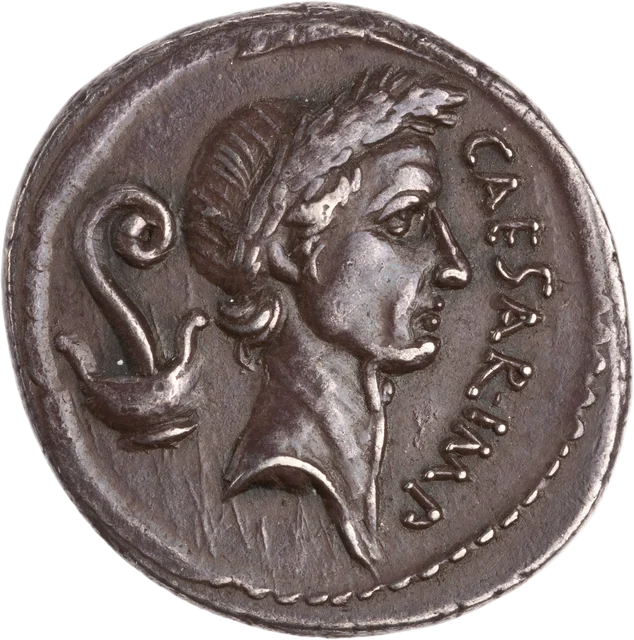
Denarius with the portrait of Caesar, 44 BC, Rome. The first Roman coin to bear the portrait of a living person. Until then, faces belonged to gods and the dead. This face, which circulated through the city with the inscription CAESAR, looked to the Republic—which had banished its kings for five hundred years—like the return of a king. The image is not decoration—this single coin embodies the theme of this volume.
Source: ANS / CC0 (our school's object ledger lira/denario_cesare)
Who is that one coin addressing,
and what is it telling them?
This Volume in 3 Minutes
- The image is not decoration, but the signature of the guarantor. Who is depicted indicates who provides the guarantee.
- The first coins have no human faces. A beast, a blank, or a god — because it was the temple that guaranteed the coin's value.
- It took six hundred years for the guarantor to shift from gods to humans. The face of a living person was “permitted” twice more after that (Ptolemy, Testone)—both were declarations of royal power.
- What is not depicted can sometimes speak more powerfully than what is. However, there is more than one reason for an 'absence' — do not assert, but question.
- There are three distinct traditions of faceless coinage (Islamic, republican, and the Sinosphere). Do not explain the same form with the same cause.
- A coin is the smallest proclamation, reaching every palm in the land. Usurpers, rebels, and puppet regimes all chose the same means.
- An enemy's script can be borrowed in three stages — copying, claiming, and incorporating. The depth of borrowing is a measure of the depth of understanding of the other.
- Behind every image is the hand that engraved it — the signed antiquity, the anonymous Middle Ages, the modern era where the name returns. The history of the hand is also part of numismatic history.
- Therefore, this book always begins each chapter by examining an actual object. Obverse and reverse are a pair, the blank space is also information — the coin in your hand is the primary source.
Table of Contents
- PROLOGUELearning to Point
- 1In the Beginning, the Guarantor Was a God
- 2Deified, Then Depicted
- 3The Living Face — Struck, Two Months
- 4The Peoples Who Discarded the Face — Three Separate Reasons
- 5The Second Permission and the Face That Stopped Time
- 6The Small Proclamation — Coins as Propaganda
- 7Speaking in the Enemy's Script — The Three Stages of Borrowing
- 8The Lineage of the Engraving Hand — Signed, Anonymous, Named
- EPILOGUEWhat Remains at the End
- Back MatterOBJECTS / PEOPLE / TIMELINE / DATA / SOURCES
Learning to Point
- Look again at the coin on the cover. See not just the central profile, but also what surrounds the face.
- Where does the text along the edge begin and end? Where are the empty spaces?
- Then ask yourself — about this coin, which parts can I point to and talk about?
Before reading the iconography, let's learn the names of the parts. This isn't about memorization. It's enough to be able to point to them.
Only two things are important.
Don't look at only one side. Obverse and reverse create meaning as a pair. The king's face on the obverse, a temple on the reverse. The obverse tells 'who', the reverse tells 'by what authority'. One side is only half the story.
Read the blank spaces, too. An empty area is not nothing. It is the result of a choice not to fill it with text, not to make the image larger. The earliest Lydian coins have no image at all. The blankness itself is a record of its time.
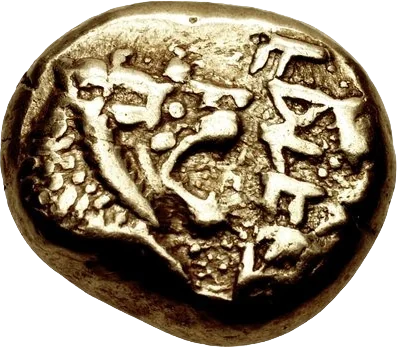
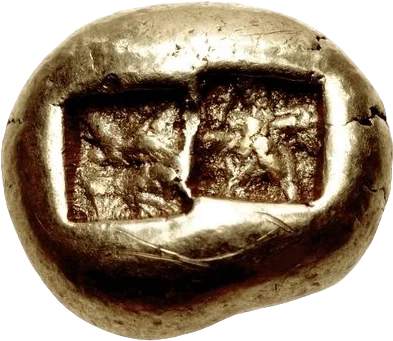
Source: CNG coins / CC BY-SA 3.0 (Our school's collection ledger coin/electrum-trite)
This book deals with the images and text on coins. The first four chapters cover the history of the face: how the guarantor was initially a god, the hesitation of deification, the permission of the living face, and the three traditions that discarded the face. The last four chapters cover the techniques of reading: reading coins as proclamations, measuring the depth of borrowing, and remembering the hand that engraved them.
This book is TYPE B — Object Observation. Each chapter begins with a 'First, Look' box and ends with a single line: 'In-Hand Confirmation'. Look before you read, and look again after you have read. That is how to read this book.
Who is that one coin addressing, and what is it telling them?
In the Beginning, the Guarantor Was a God
- The two coins below. On the left, the profile of Athena; on the right, an owl — neither is human.
- The three letters next to the owl, ΑΘΕ. Not a person's name, but read as 'of the Athenians'.
- The daric further below. It shows the figure of a king drawing a bow — but is this the face of any single individual?
The first coins have no human faces. A beast, a blank, or a god.
Why gods? Because it was the temples that guaranteed the value of the coins. The images were not decorations, but the signature of the guarantor. The first to be engraved were lions, bulls, and then gods — Athena, Arethusa, Zeus. Who was depicted indicated who was guaranteeing it.
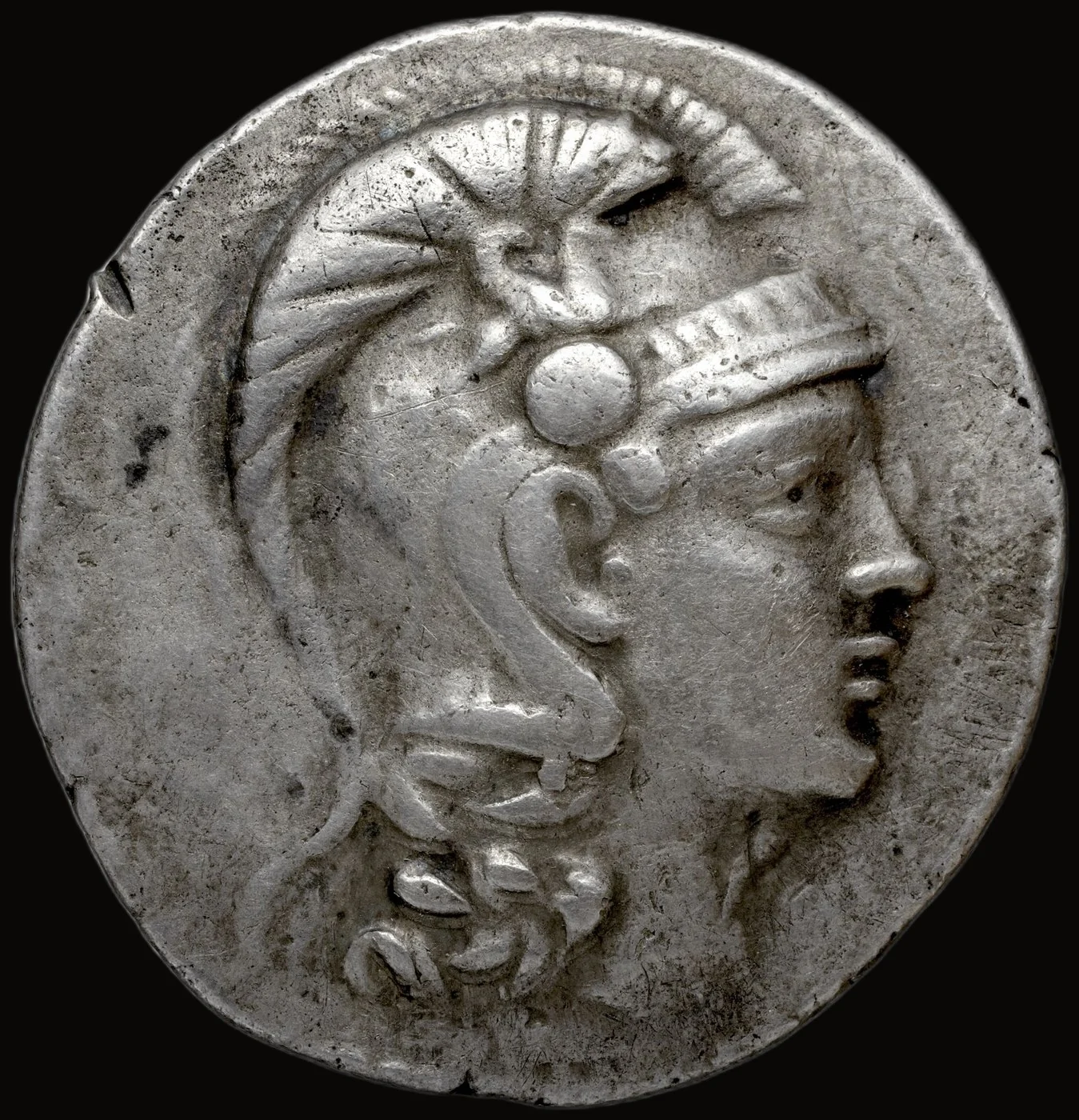
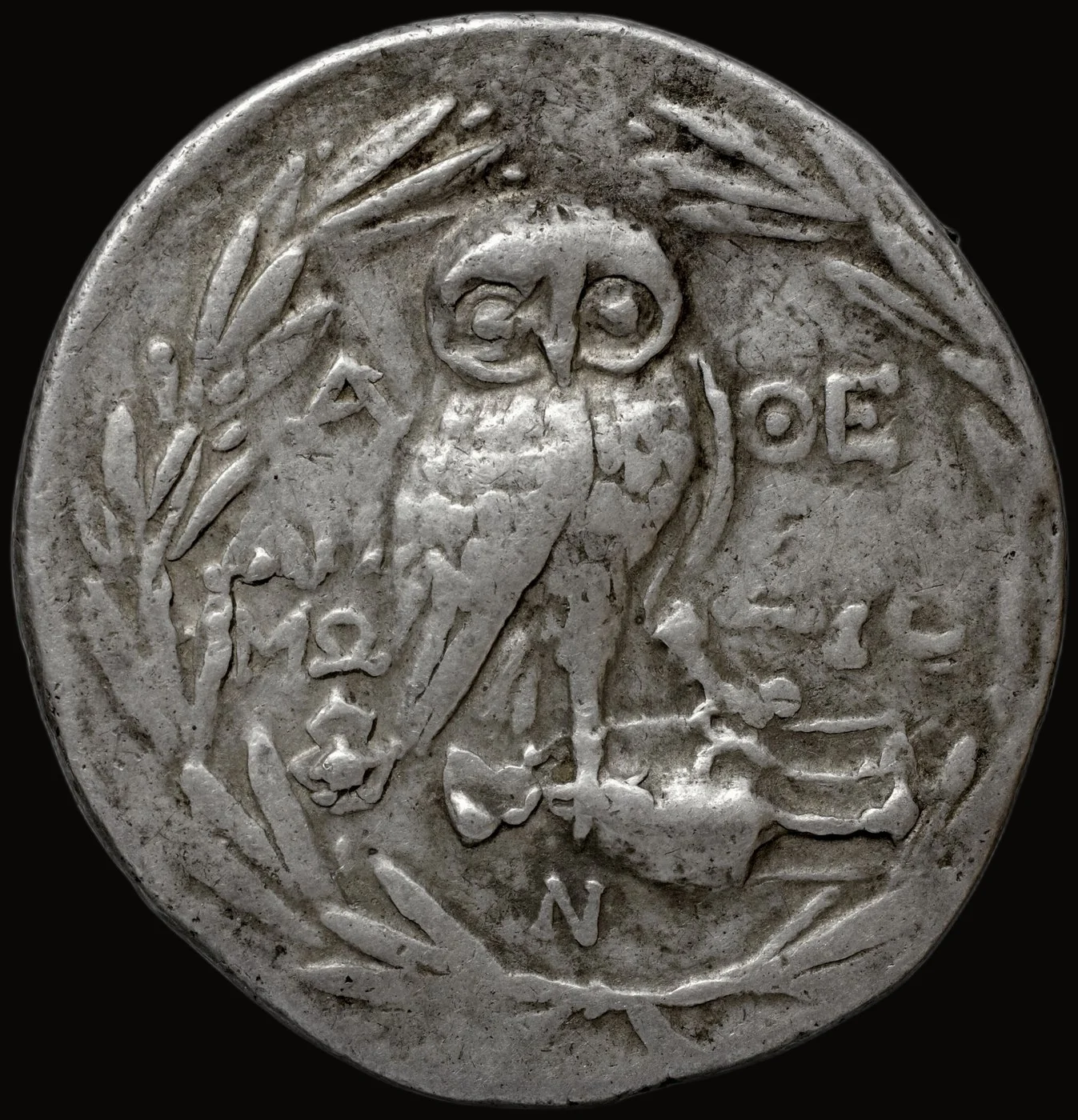
Source: Bibliothèque nationale de France (former Delpierre collection) / Public domain (our school's specimen ledger drachma/owl_tetradrachm)
So, when a king appears in an image, is it a "face"? Look at the Persian gold coin, the daric.
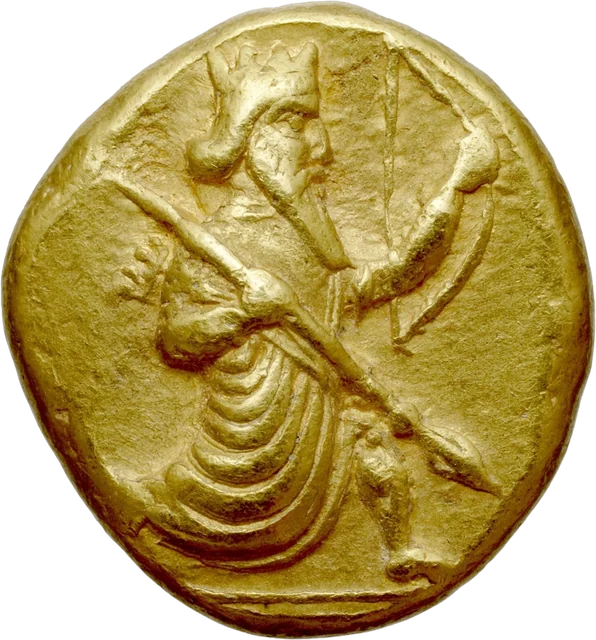
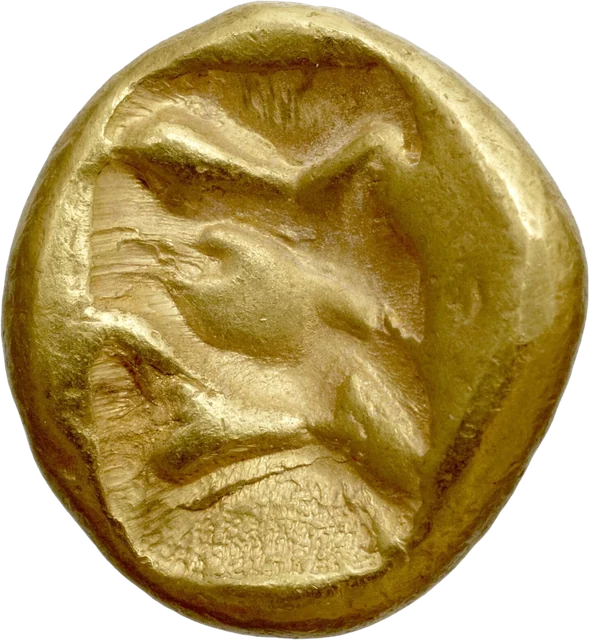
Source: Bibliothèque nationale de France / Public domain (our school's specimen ledger coin/daric)
A figure that remained almost unchanged for two hundred years. The design established by Darius I continued to be struck even as rulers changed. A figure unchanged for two hundred years cannot be the face of a single person. What is there is not an individual's portrait, but a symbol of kingship: "the king who draws the bow." The fact that the Greeks called this gold coin "the archer" and not by a person's name tells us how to interpret it—what was seen was not who someone was, but what someone was.
Open to enrolled students
Ahead: They made him a god, then put him on the coin, A living face — Struck, two months later, The People Who Abandoned the Face — Three Separate Reasons, The second lifting of the ban, and the face that stopped time, A small proclamation — coins as propaganda, Speaking in the Enemy's Script—Three Stages of Borrowing, The Lineage of the Engraving Hand—Signed, Anonymous, Named, What Remains in the End — and the reference section (timeline, people, sources).
Already enrolled? Log in. Free sample: Vol. 1, Source Criticism (free in full).