Feudal denier
10th–11th century ・ silver ・ 10th century ・ Counts, bishops and abbeys (the local lords)
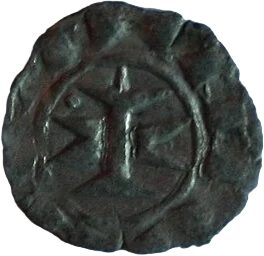
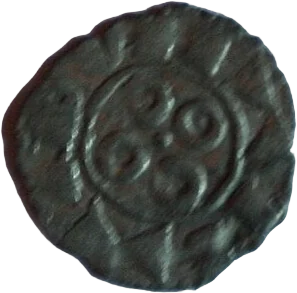
With the Viking raids and the weakening of the crown, the unified currency area Charlemagne had built came loose from within. Charles II the Bald tried by the edict of Pîtres to cut the number of mints, but the strength to hold that concentration ran out in time. The right to strike leaked away to local lords — counts, bishops, abbots — and feudal coinage stood up in a thicket, differing in weight, in fineness and in design. The denier tournois of Tours and the denier parisis of Paris became the strongest of these regional currencies, and the crown would later gather them back and re-unite them into a national coinage.