Reading the Artefacts
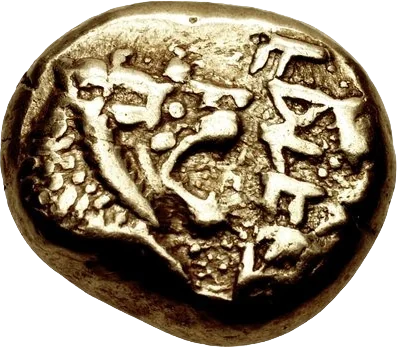
CNG coins / CC BY-SA 3.0 (Wikimedia Commons)
How should one examine a single artefact?
This volume in 3 minutes
- All items from the Artefact Ledger have been sorted and arranged by material. The material is a record of how that society answered the four conditions: 'durable, divisible, distinguishable, and sufficient'.
- The illustrations use only photographs from the ledger, with collection and license information provided for every item. For items with no photograph of the reverse, or no recorded diameter and weight, it is noted as 'none', and no data has been fabricated.
- At the beginning of each chapter is a section on 'How to Read This Material'. Look at the material, look at the shape, look at the mark, and confirm the year and origin. The order is the same for every chapter.
- For each item, links are provided to its page in the artefact database and to the stop on the 'voyage' where it appears. This catalogue is the entrance; the place for reading is the stop.
- At the end of the volume, you will find the chronological distribution for each material, a count of missing data, and an index for each section. All counts have been recalculated from the ledger and are current as of this book's publication date.
- Catalogue: 436 items. Reverse photos: 277 items, diameter recorded: 80 items, weight recorded: 0 items, appears at stops: 321 items.
Table of Contents
- IntroHow to Read This Catalogue
- 1Before Materials, and the First Alloy — Shell, Clay, Electrum
- 2Gold — Non-corroding, Soft, and Scarce
- 3Silver — The Leading Metal for Most of History
- 4Billon — Copper with the Face of Silver
- 5Copper and Bronze — The Stars of Small Change, the Extremes of Weight
- 6Tin and Iron — Substitute Materials
- 7Nickel and Aluminium — The Twentieth Century's Choice for Functionality
- 8Paper — Even with Backing, the Speed of Exchange is Essential
- OutroWhere to Go from This Catalogue
- AppendixSUMMARY / TIMELINE / DATA / QUESTIONS / DRILL / SOURCES / INDEX / REVISION HISTORY
When you pick up a single coin, where should you begin your examination? This catalogue starts with the material. As Course B02 indicates, a material must simultaneously meet four conditions: it must be durable, divisible, distinguishable, and sufficient. The fourth is the most difficult; gold was too scarce, and iron too abundant. That silver and copper were just right was almost a matter of chance.
Each chapter covers a single material. At the beginning of the chapter is a section on 'How to Read This Material', followed by the artefacts from the ledger arranged in chronological order. The entry for each item includes: name, section and place of issue, date, material and shape, diameter, collection and license, ledger entry, the stop where it appears, and a link to the artefact database. For items with no photograph of the reverse, no recorded diameter, or no recorded weight, this is noted. The promise of this catalogue is not to fabricate what is missing.
The reading order is the same for every chapter. Look at the material. Look at the shape (is it round, square, or a lump?). Look at the mark (is it a punch mark, an engraved die, or cast lettering?). Confirm the year and origin in the ledger. Then, go to the stop where that piece appears. The catalogue is the entrance; the place for reading is the voyage.
Before Materials, and the First Alloy — Shell, Clay, Electrum
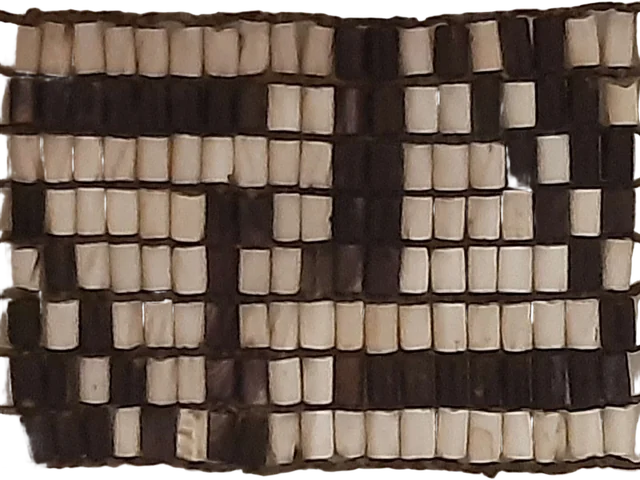
Before coinage, there were three things: shells that were counted, gifted, and stored; clay inscribed with debts and credits; and electrum, a naturally occurring alloy of gold and silver. The 'China voyage' notes that it is still debated whether the cowrie shells from Shang and Zhou dynasty tombs can be called money, as there is little evidence they were exchanged for goods in the marketplace. The 'General Theory voyage' writes that the oldest records are not of barter, but of loans on clay tablets.
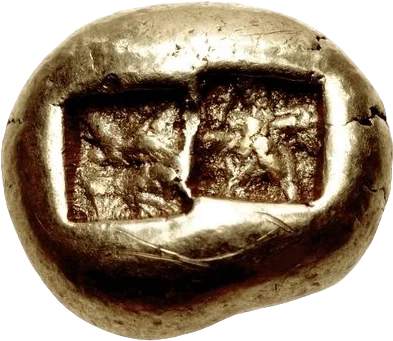
With electrum, the ratio of gold to silver varied from one lump to another. Even if they looked the same, their value differed, and the receiver had to be suspicious each time. This uncertainty led to the invention of stamping a mark. When Croesus separated this alloy into gold and silver, the history of materials split into the next two chapters.
- What is in the ledger
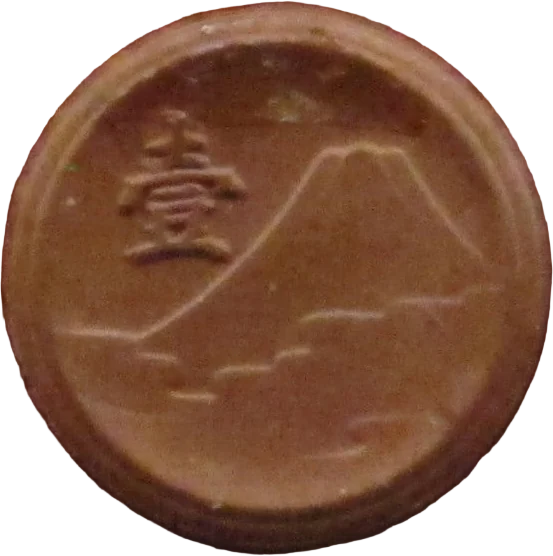
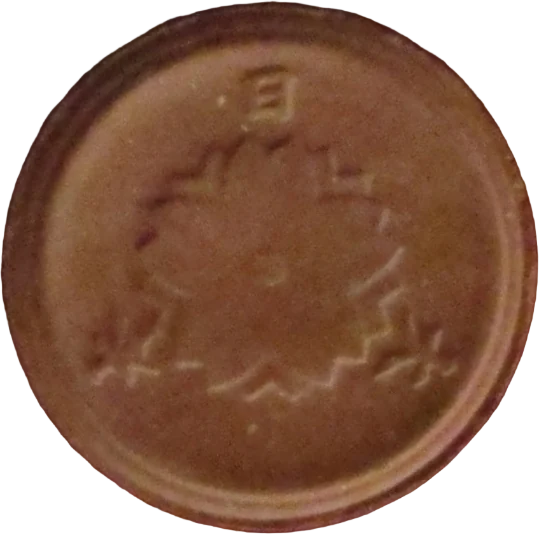
- 3 items (Overview: 2,700 years of the world 1, United States 1, Japan 1). Date range from 610–560 BC to AD 1945 (never issued). 2 photos of the reverse, 2 mentions of the diameter.
- What is not in the ledger
- Reverse photograph: 1 item, diameter record: 1 item, all weight records. Missing data is noted as 'none' in the respective fields and has not been fabricated.
- First, distinguish whether the material 'carries value' or 'carries a record'. Shell and clay have different answers.
- The colour of electrum. Compare the yellow of pure gold with the pale colour mixed with silver, alongside the artefacts in Chapters 2 and 3.
- Is there a mark? If so, is it decoration, or a declaration guaranteeing weight and fineness?
Open to enrolled students
Ahead: silver — The metal that played the leading role for most of history, Billon — Copper with a Silver Face, Copper and Bronze — Stars of Small Change, Extremes of Weight, Tin and Iron — Substitute Materials, Nickel and Aluminum — The Twentieth Century: Choosing by Function, Paper — Even with Backing, the Speed of Exchange is Essential — and the reference section (timeline, people, sources).
Already enrolled? Log in. Free sample: Vol. 1, Source Criticism (free in full).