Strong Yen
円高 / strong-yen — Phenomena
When the value of the yen rises against other currencies. The amount of foreign currency that can be purchased with the same 10,000 yen increases.
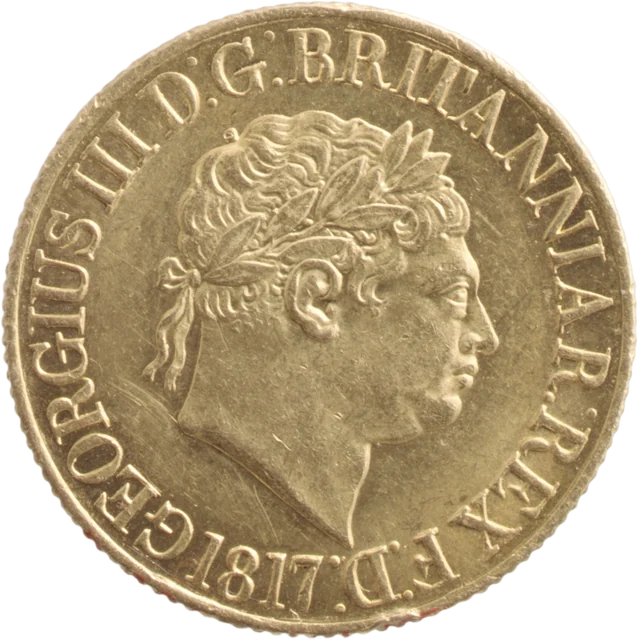 George III Sovereign 1817 (The Metropolitan Museum of Art)1817
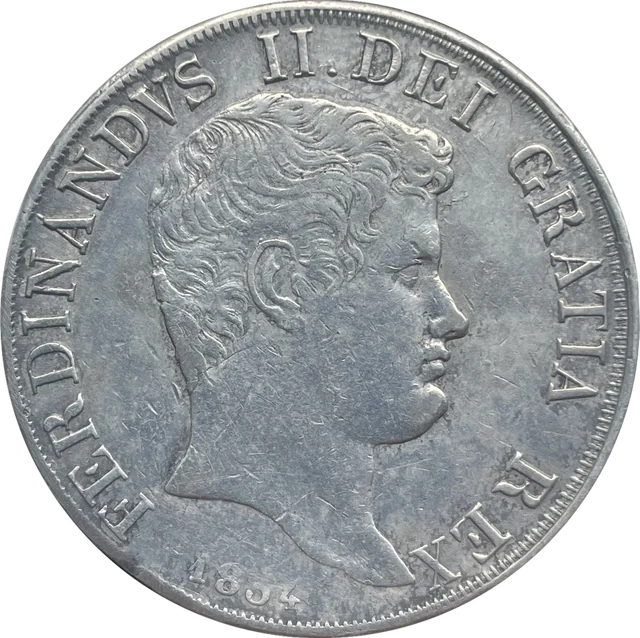 Kingdom of the Two Sicilies, Ferdinand II, Piastra (120 Grana), 18341834
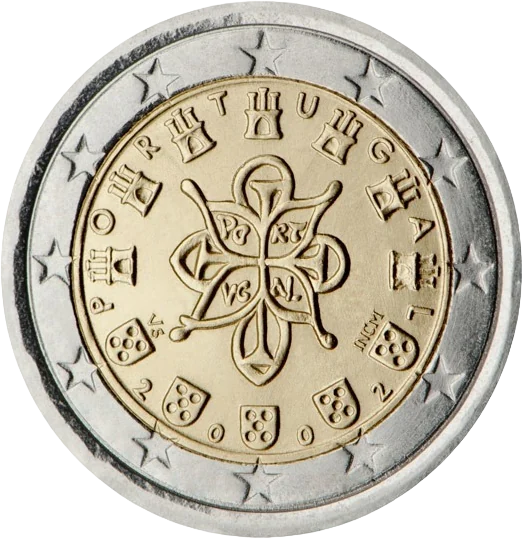 2 euro (Portuguese national side)From 2002
A state where one unit of yen can be exchanged for a relatively large number of units of another currency. If you exchange 10,000 yen for dollars: if one dollar is 100 yen, you get 100 dollars; if one dollar is 80 yen, you get 125 dollars; if one dollar is 125 yen, you get 80 dollars. The rate of 80 yen is a strong yen, and 125 yen is a weak yen. The first step is to get used to the idea that a smaller number means a stronger yen.
Under a floating exchange rate system, the rate is determined by market supply and demand. The 'one dollar = X yen' rate reported in the news is the interbank exchange rate, which is different from the rate at which individuals exchange money at a counter.
⚠ An item that costs one dollar will cost 100 yen if the rate is 100 yen to the dollar, and 125 yen if the rate is 125 yen to the dollar. The price paid in yen changes according to the exchange rate.