Incuse Images, the First Marks
An image embossed on the obverse is incised as a depression of the same shape on the reverse. The strange silver coins left by the colonial cities of Southern Italy hold a mystery that has remained unsolved for 2,500 years.
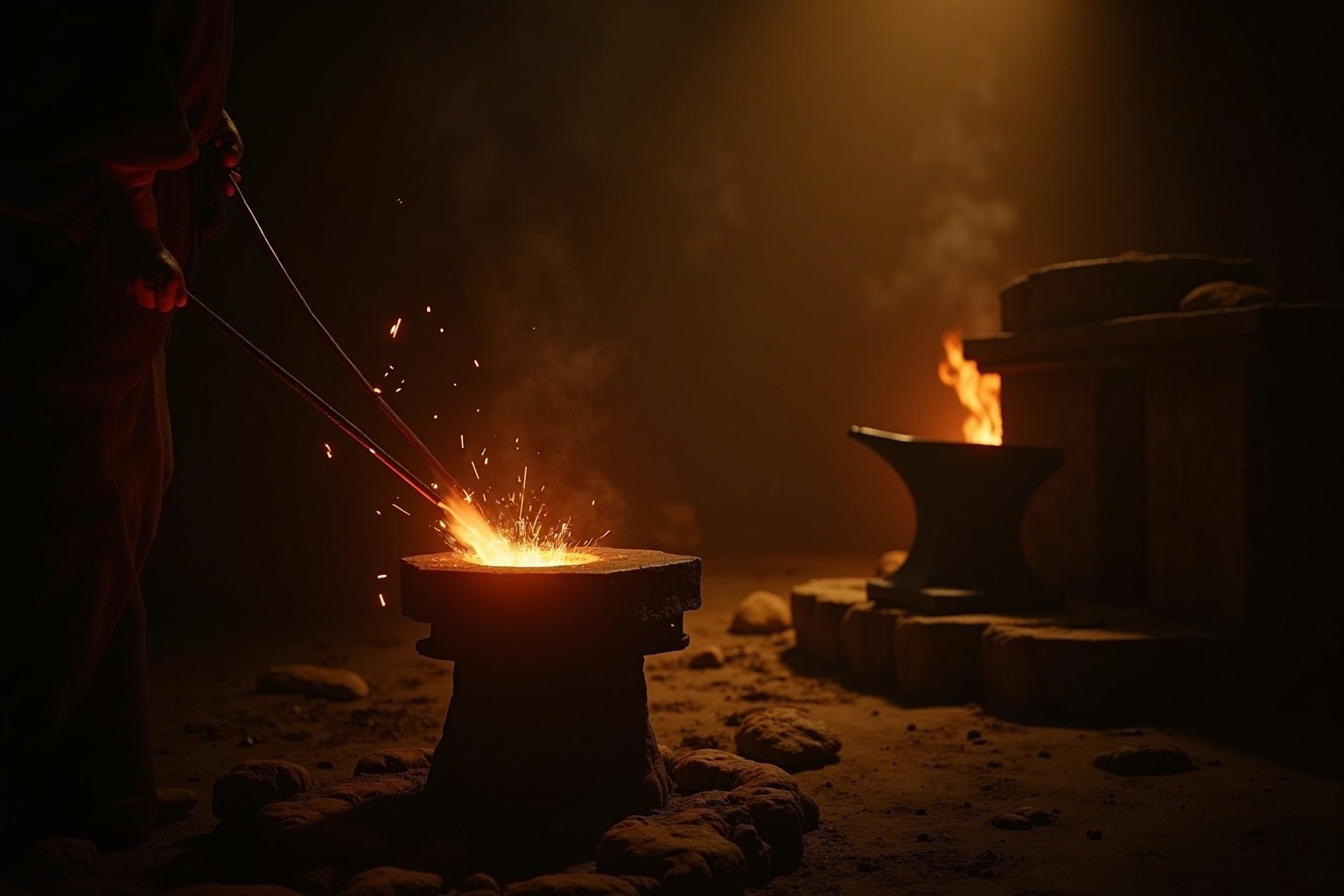
Images Incuse Like a Mirror
The silver coins of colonial cities in Southern Italy, such as Sybaris and Metapontum, have a strange characteristic. If an ear of wheat is embossed on the obverse, the same ear of wheat is incised on the reverse. These are called incuse coins.
This was a style in which the same image was carved into both the obverse and reverse dies, and a thin silver flan was struck between them. The obverse die raised the image, while the reverse die sank the same image. If the two were not perfectly aligned, the images would not match. They were silver coins that transferred the obverse relief to the reverse, almost like a concave mirror.
This style of remarkably thin and wide silver coins began around 550 to 530 BC and lasted for about a century. Only the cities of Magna Graecia used this technique. It is not found in mainland Greece or in Asia Minor.
For the Purpose of Recoinage
Why was such an elaborate style chosen? Even now, 2,500 years later, there is no definitive reason.
One prominent view points to the material circumstances. This region had almost no silver mines, so the cities would restrike coins that came from abroad. The theory is that the incuse technique may have made this recoinage easier. However, a definite answer has not yet been found, and the mystery remains in the workshops of the West.
In the past, a theory suggested it was devised by the philosopher Pythagoras. However, he arrived in Croton from Samos in 530 BC, which was after the incuse technique had already begun. Because the dates do not align, this theory is no longer accepted.
The Image as a Message
The designs engraved on coins—such as lions, goddesses, ships, and ears of wheat—are called "types." Even if one cannot read letters, one can understand pictures. Therefore, the type was the most widely delivered message of the coin. It is also a declaration of "what this state stands for."
So, were there images at the very beginning of coinage?
From 1904 to 1905, a team from the British Museum found 93 electrum coins under the Temple of Artemis at Ephesus. They were deposited as offerings in the second half of the 7th century BC. Nine of them have no design. Some have only a square punch mark. They were just lumps, without even an image.
The Mark Before the Type
Even on the lumps without images, marks were certainly struck. A mark before the type. That is the starting point of coinage.
The remaining coins found in the same place had more than a dozen types of marks. The Lydian lion's head, the Phocaean seal's head. And, of unknown origin, a rooster or a beetle. It was not only kings who struck coins.
More in The origin of words
How Treaties Changed the Flow of Currency
Treaties are written promises exchanged between nations. A single line within them could open sea routes, drain wealth from one country, and even leave behind a new standard for currency. We will trace how words on paper have changed the flow of money.

The Clause Called a Crime
In the United States, a single clause was called a "crime." It was the anger of mine owners who had lost a market for their silver. Mines, which unearth the materials for coinage, were not only a source of national wealth but also, at times, a source of fierce conflict.
A Gold Coin in Name, Copper in Substance
The maravedí, which in later ages would become a byword for small change. Yet, it began as the most powerful gold coin on the peninsula. This is the story of a currency's name diverging from its substance.
If you would like to read on
The rest of the story is in the material of NOMISMA.
Price
After purchase, the full courses, the illustrated books, every country’s story and the numismatics examination are open to you.
See the price →